Amethyst First Rider, Leroy Little Bear, Serene Weasel Traveller, Darby Herman, Blair Many Fingers, Nayan Velaskar, Michelle Sylvestre, Walker English, Kaiya Healy, Payne Many Guns, Migueltzinta Solis, Seth Villamil, Christine Clark, Josephine Mills
Project Description
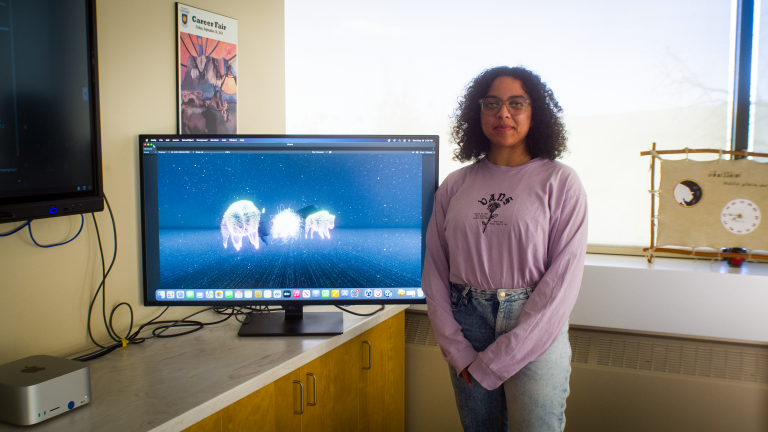
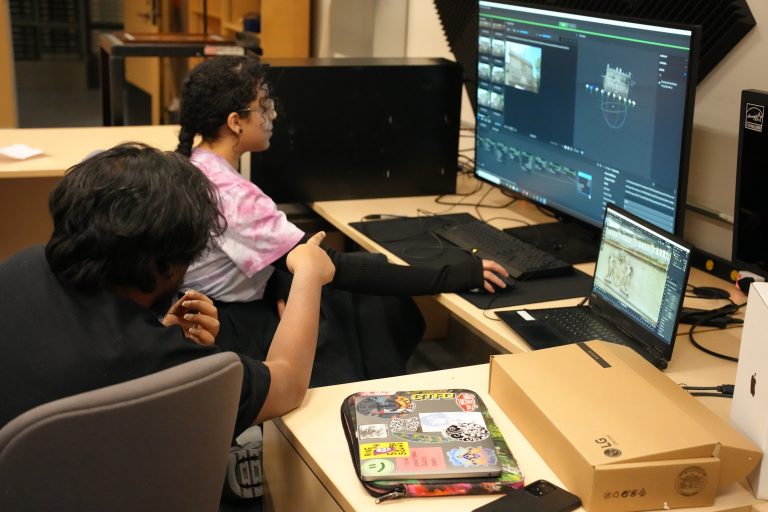
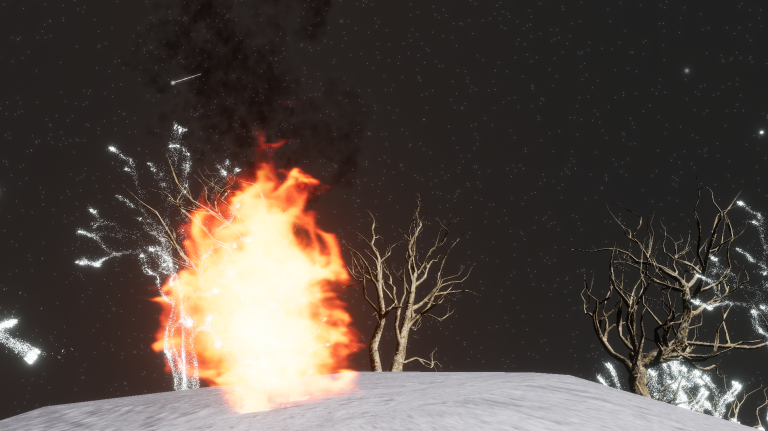
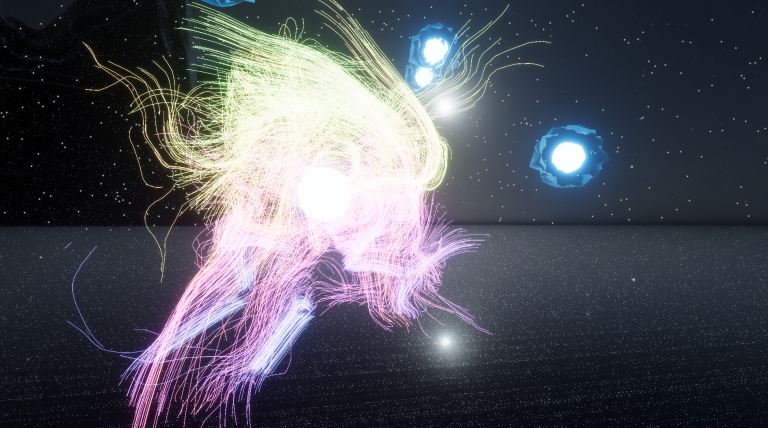
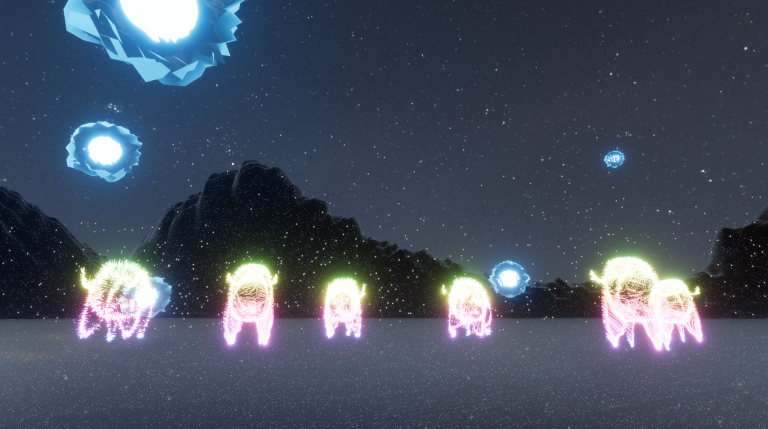
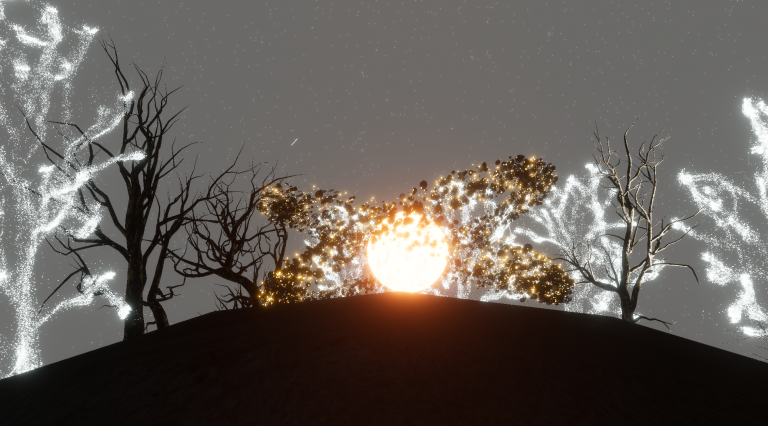
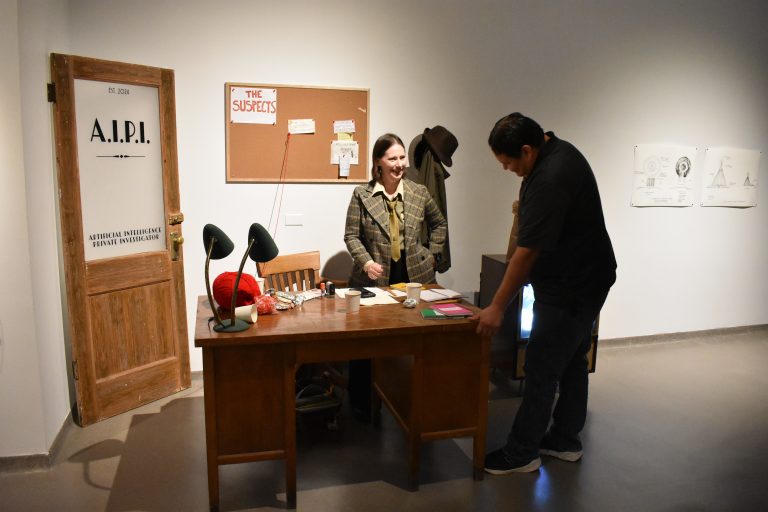
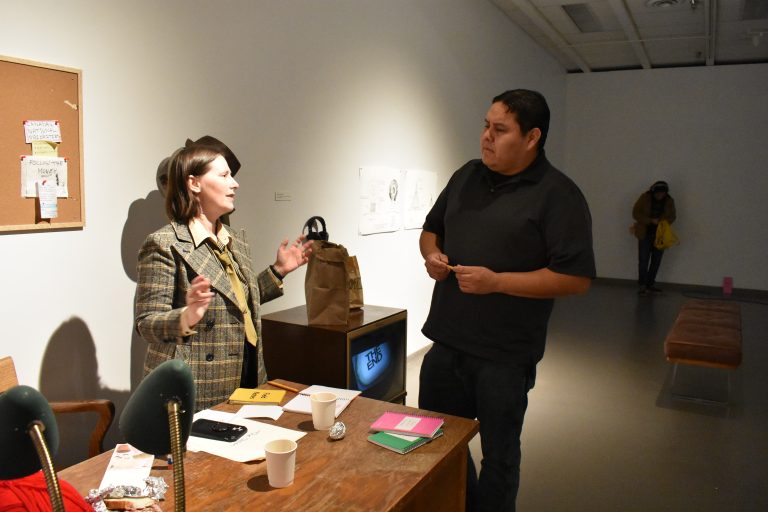
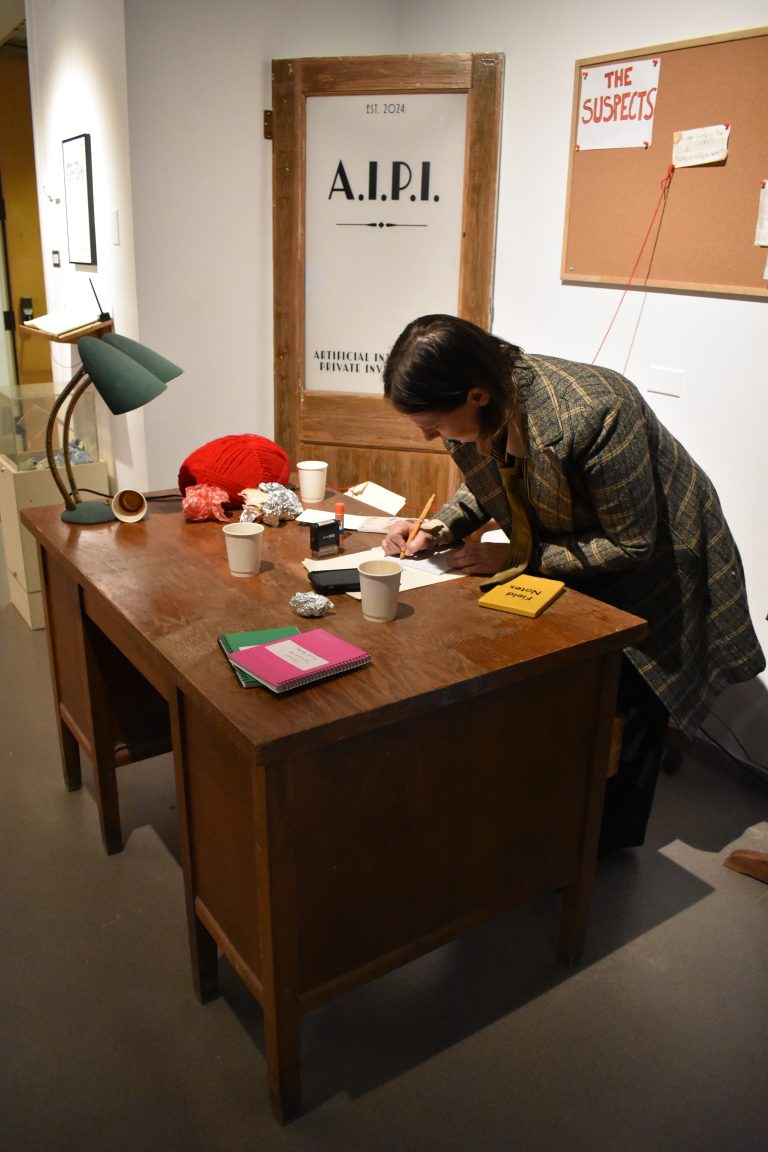
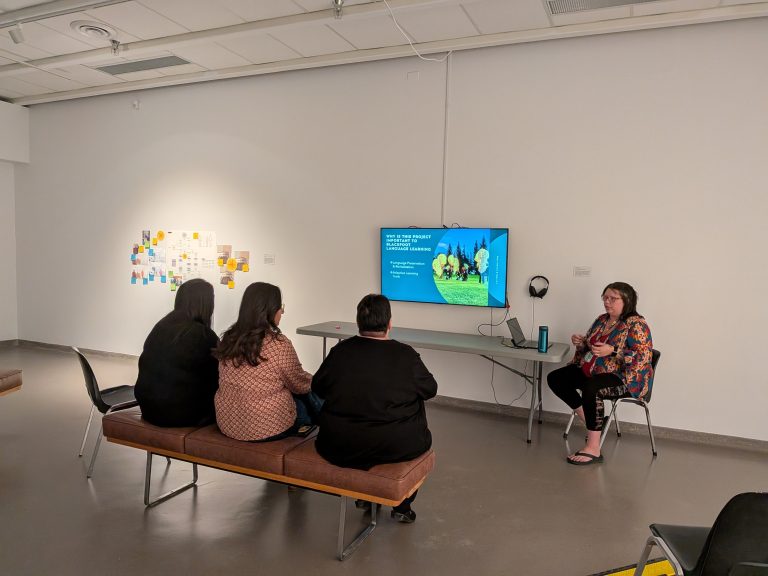
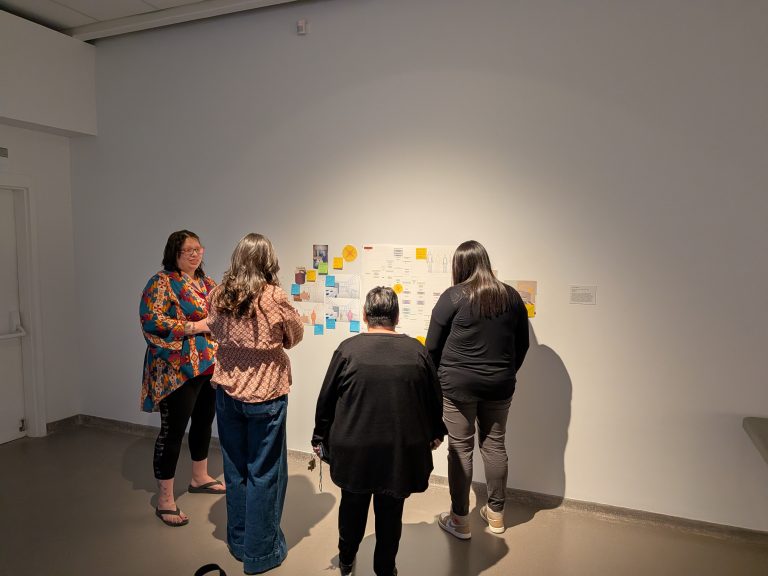
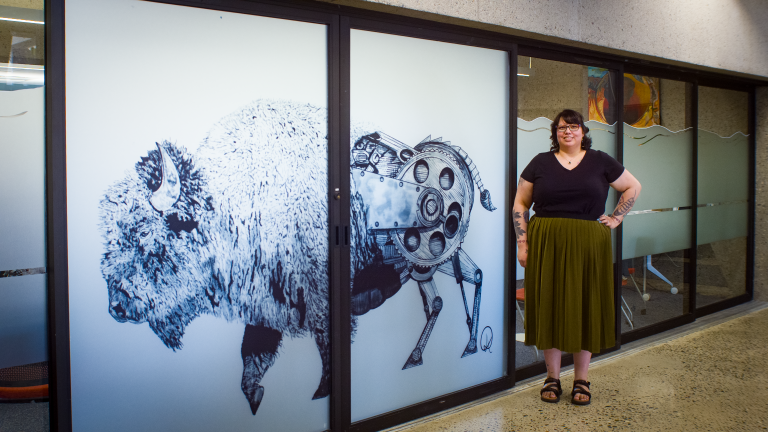
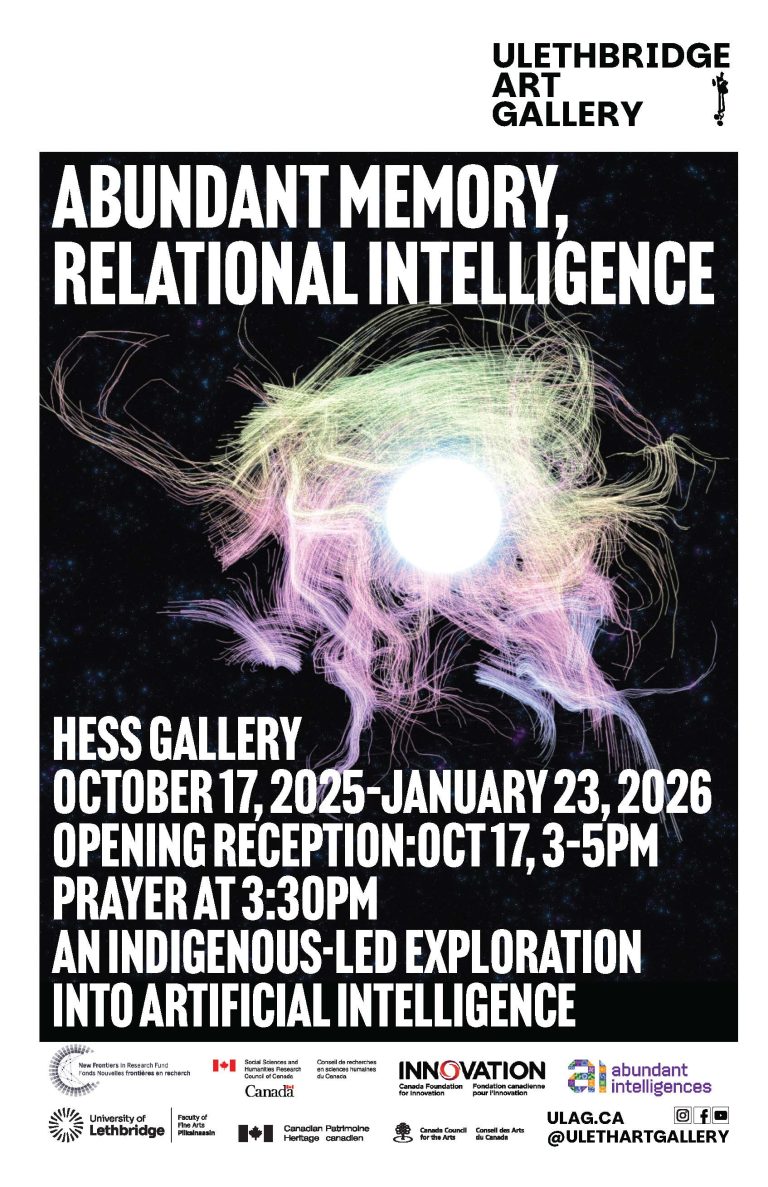
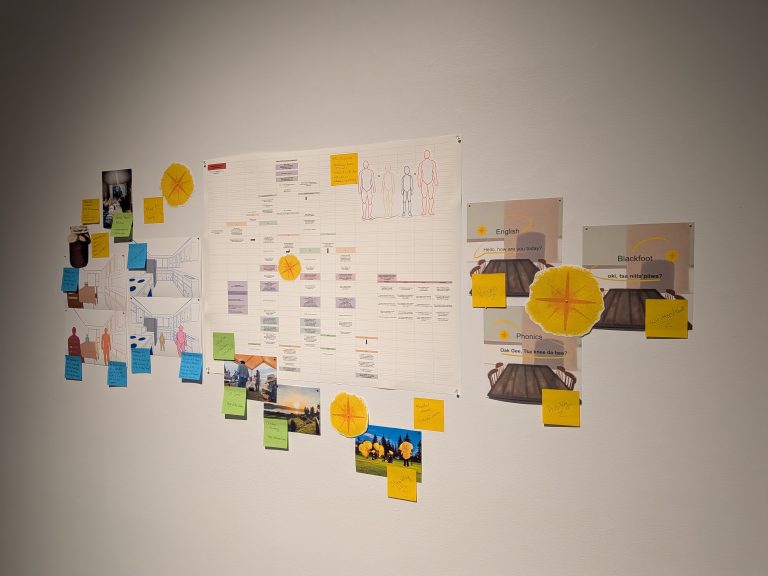
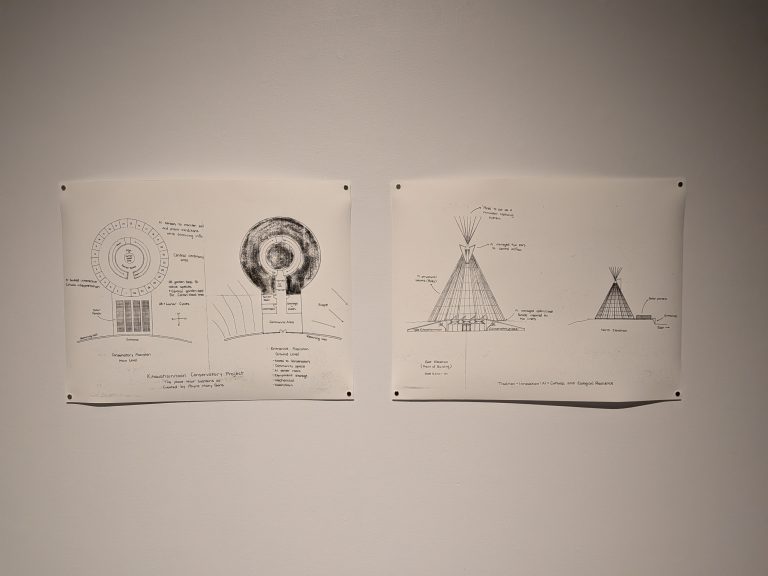
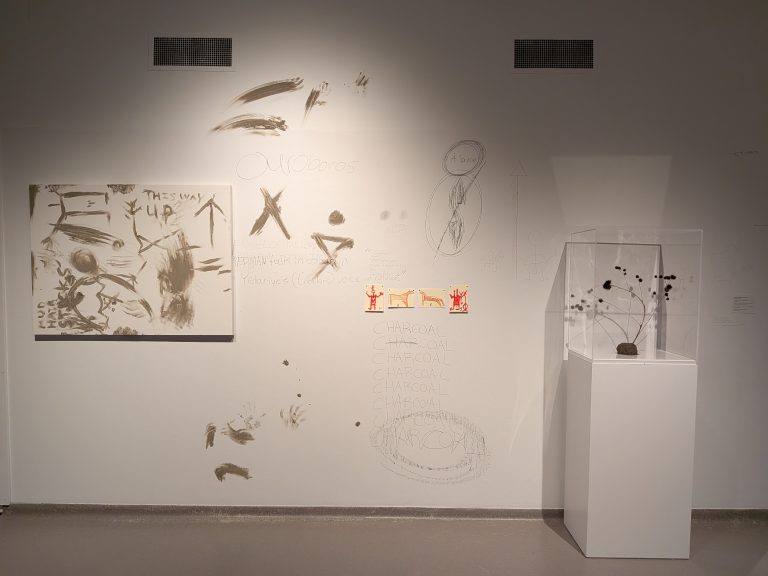
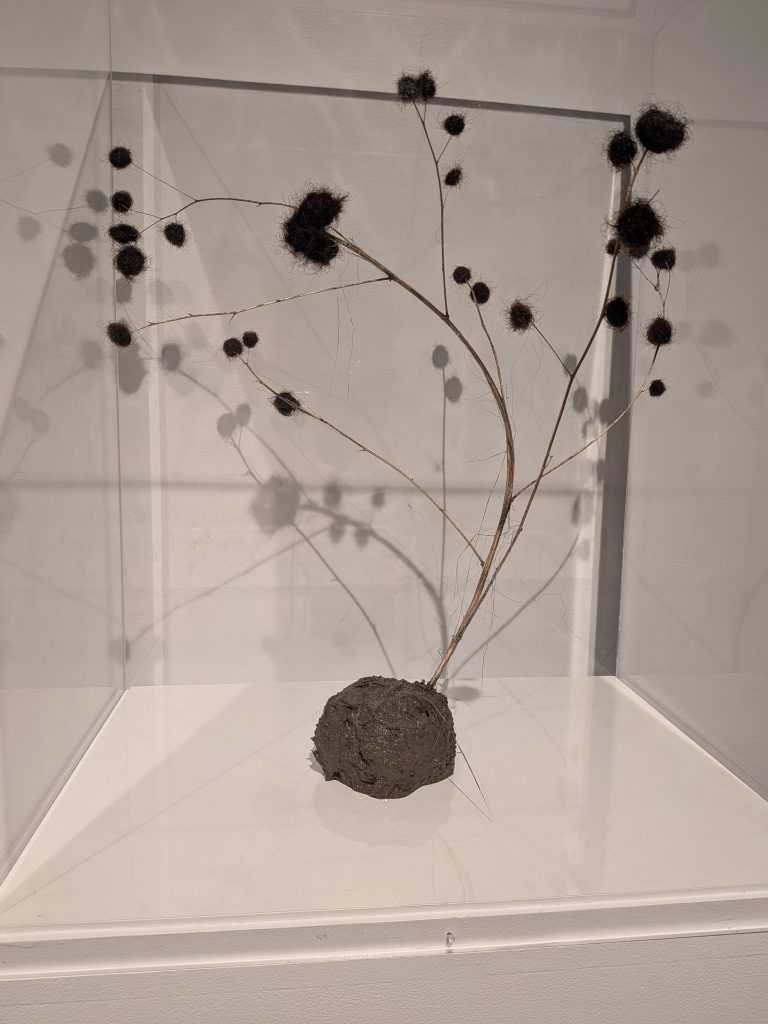
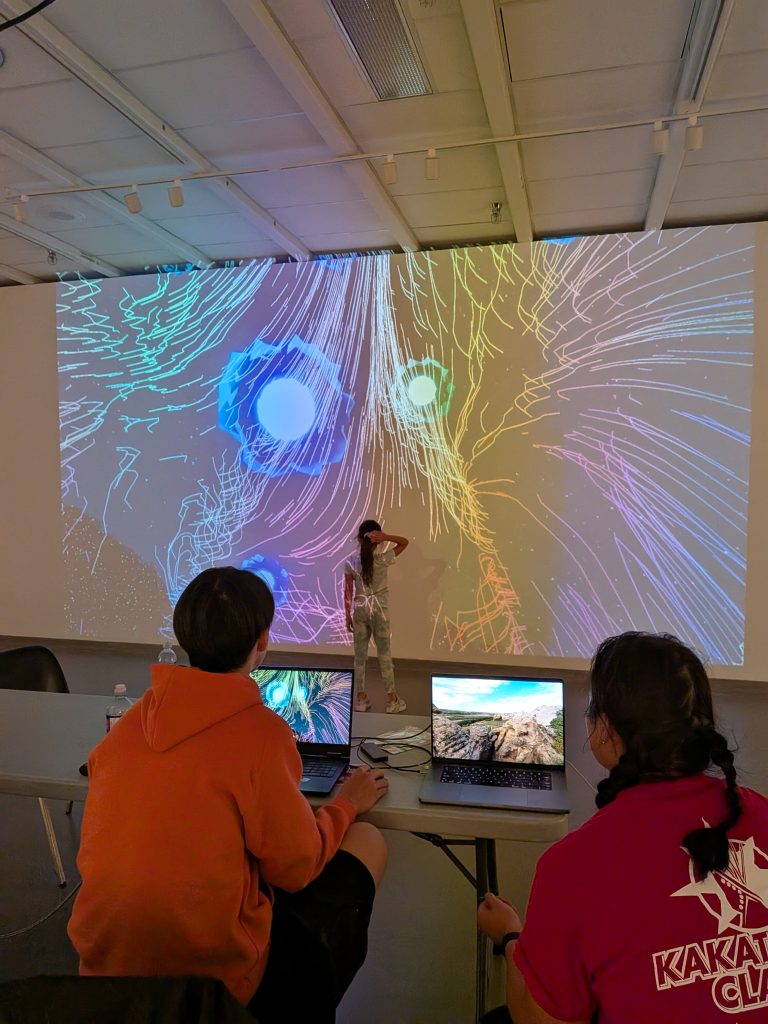
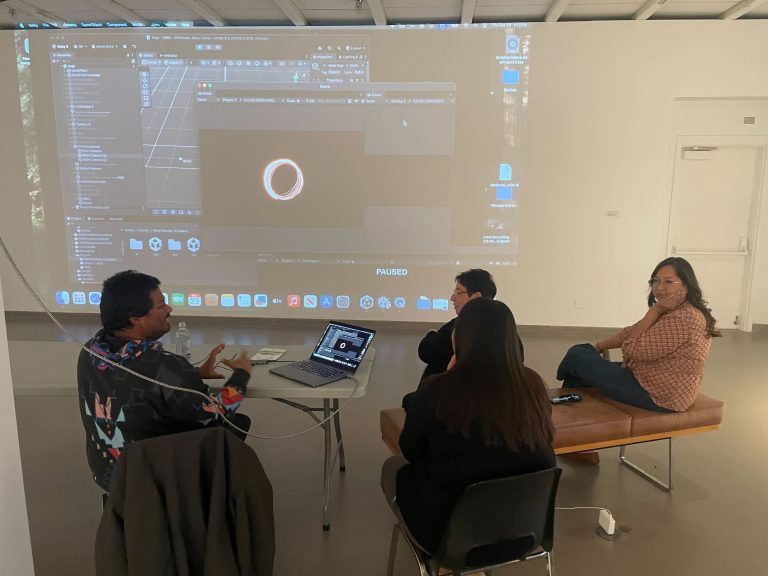
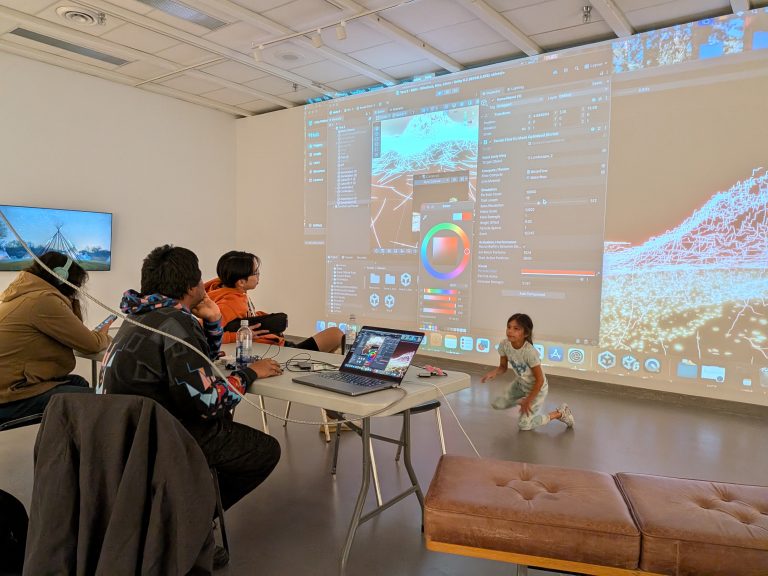
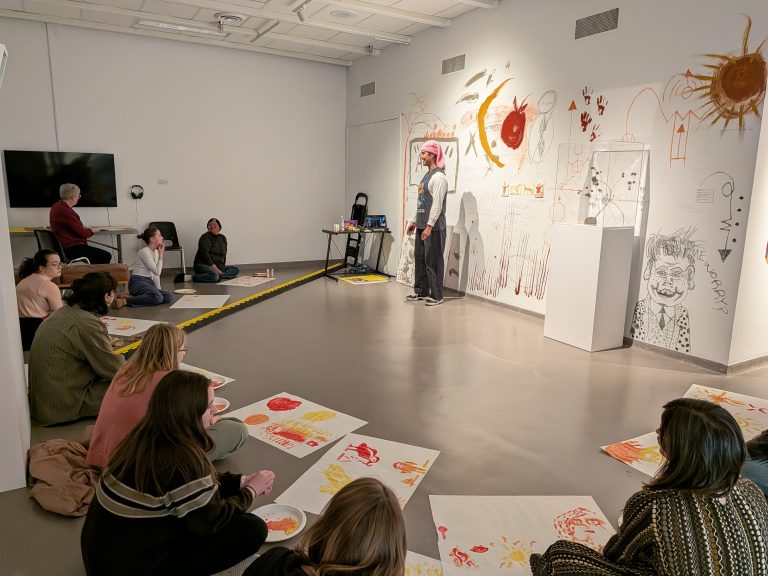
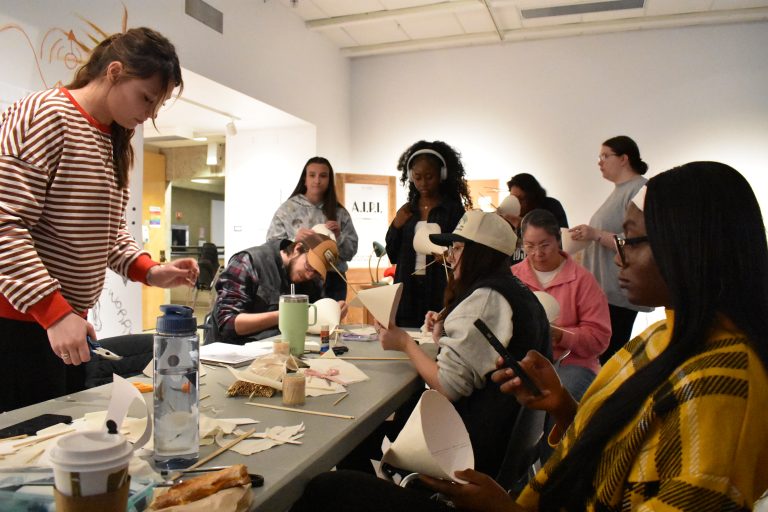
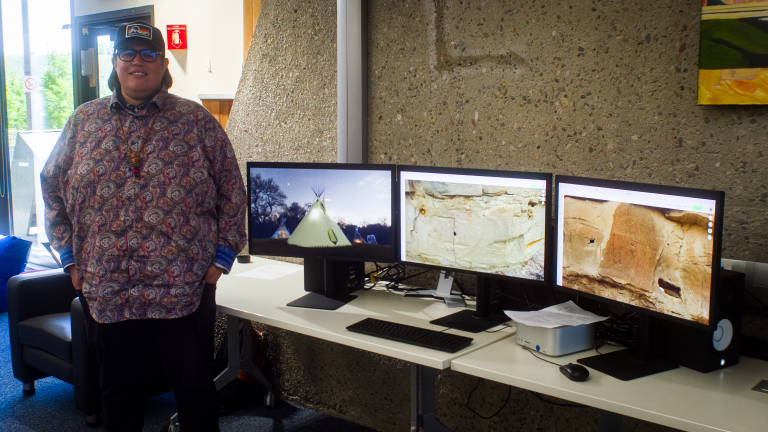
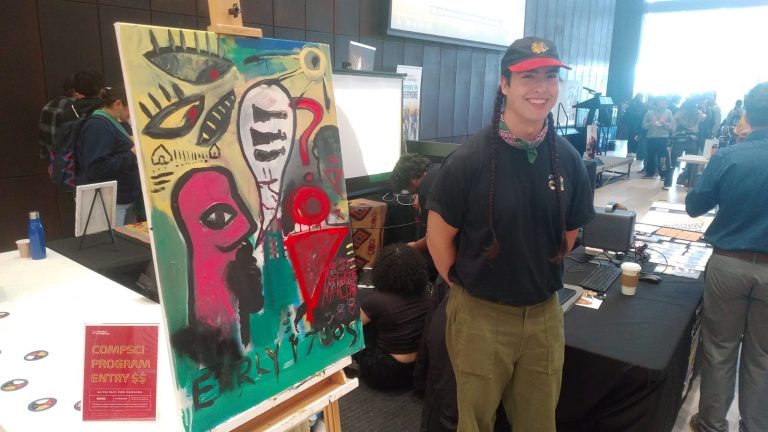
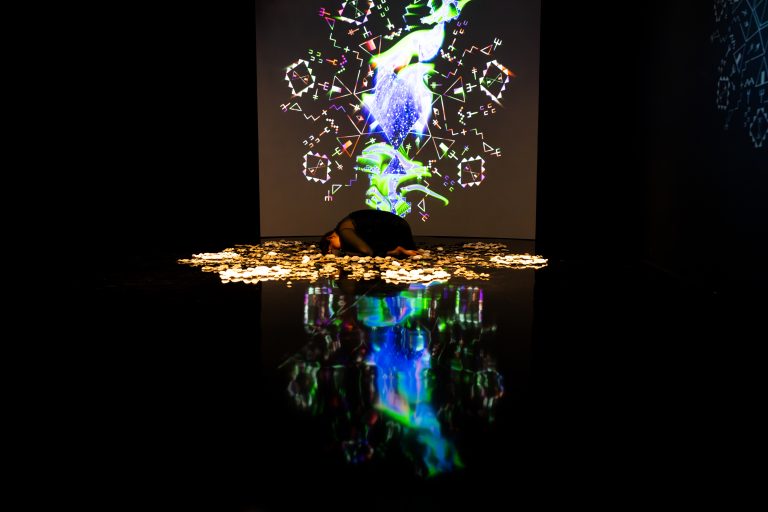
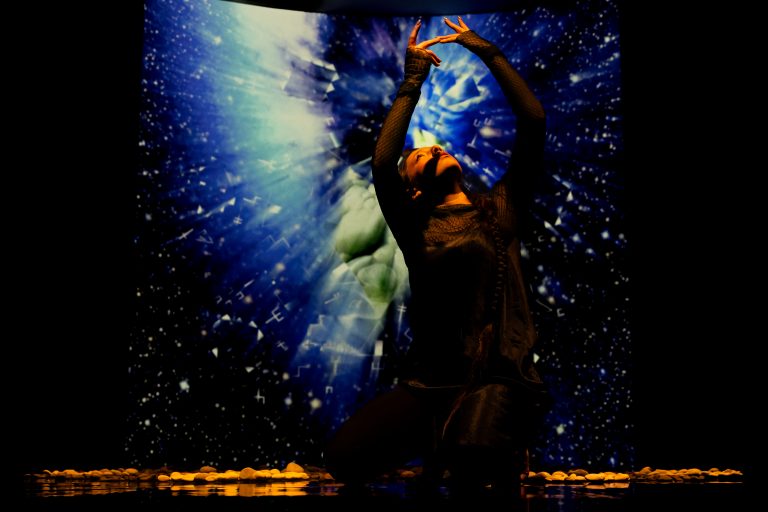
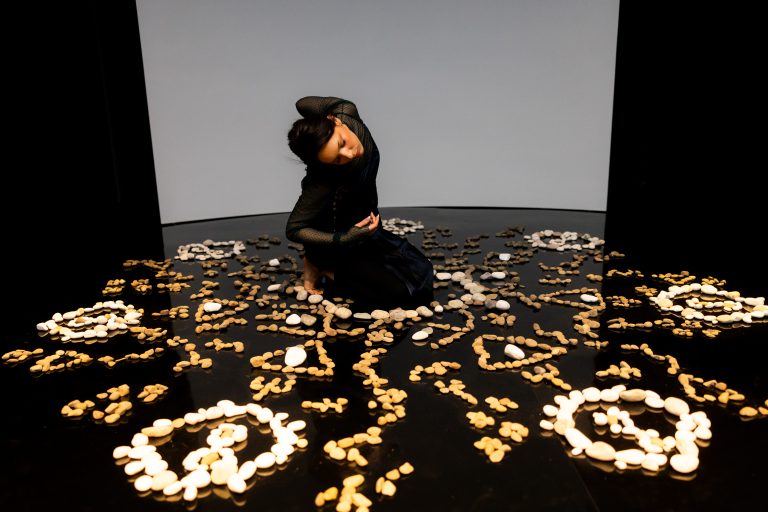
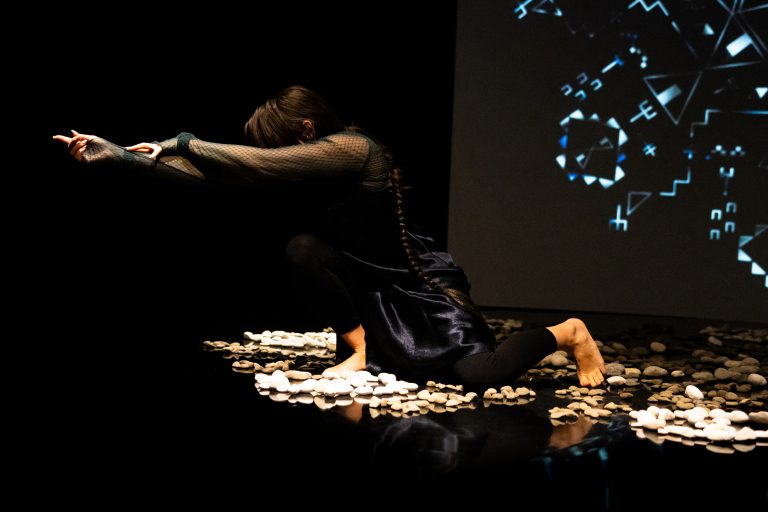
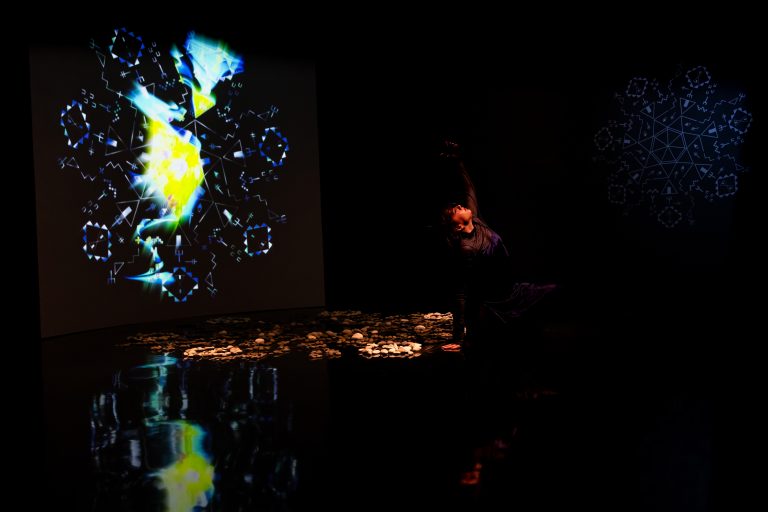
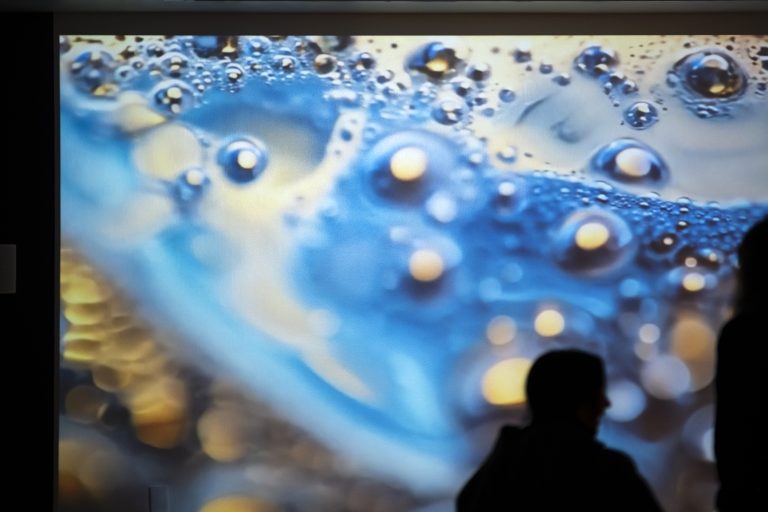
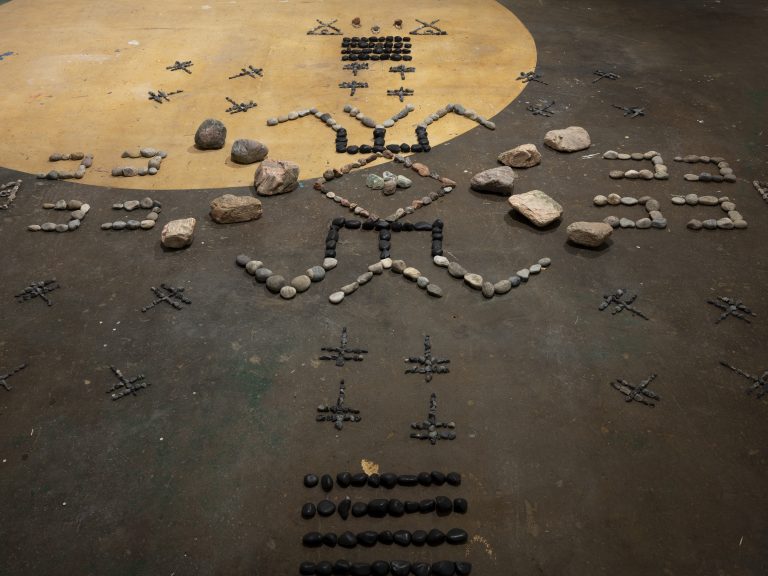
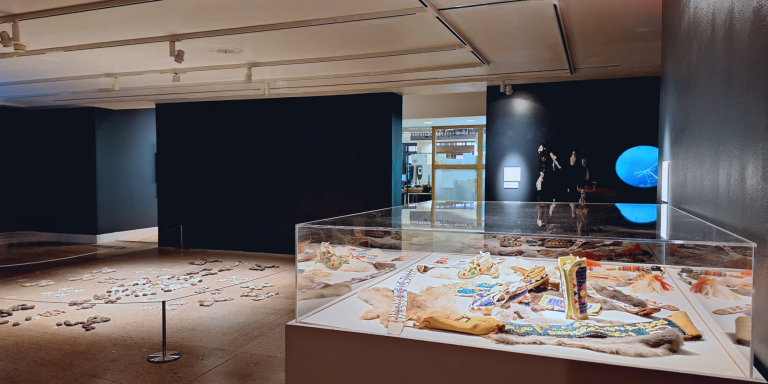
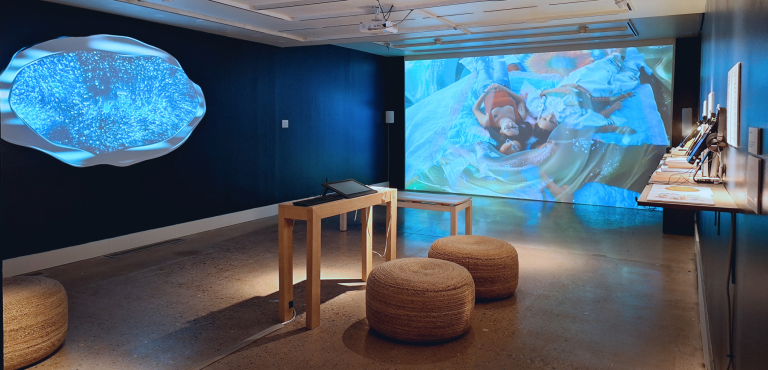
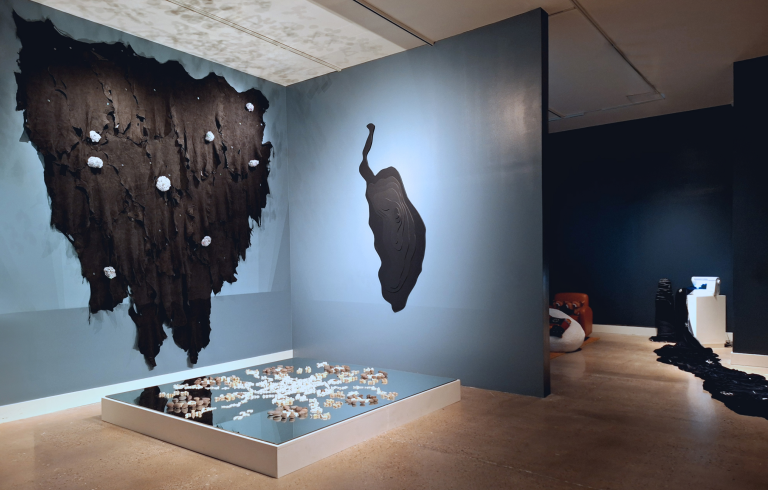
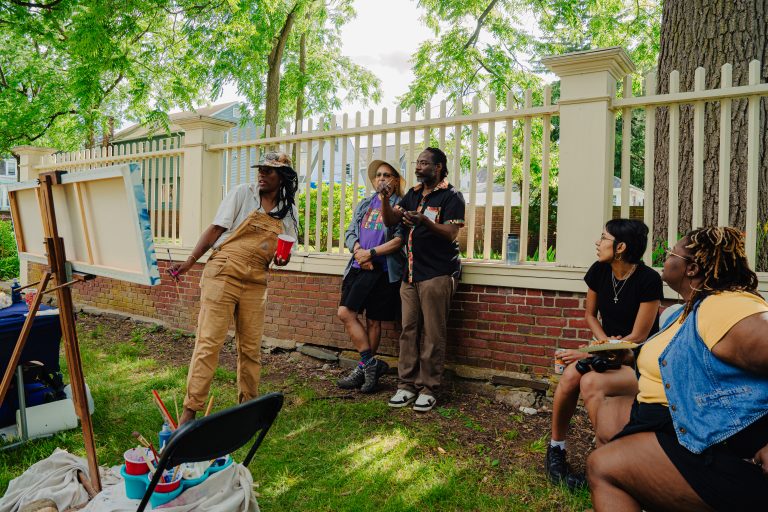
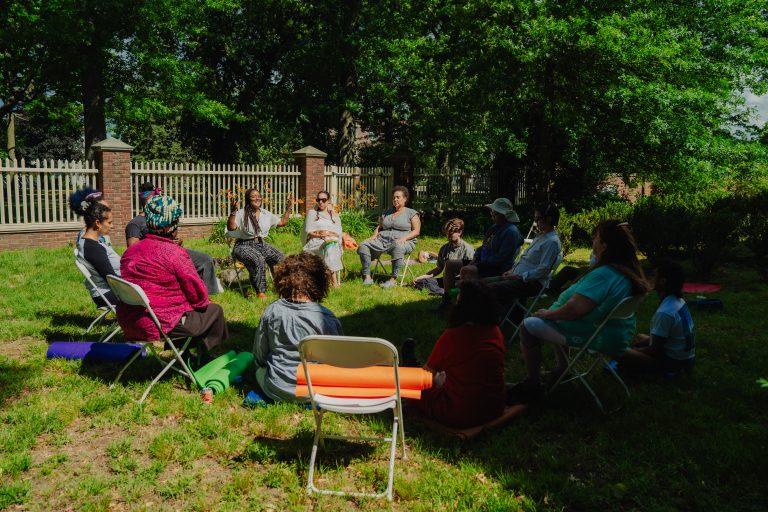
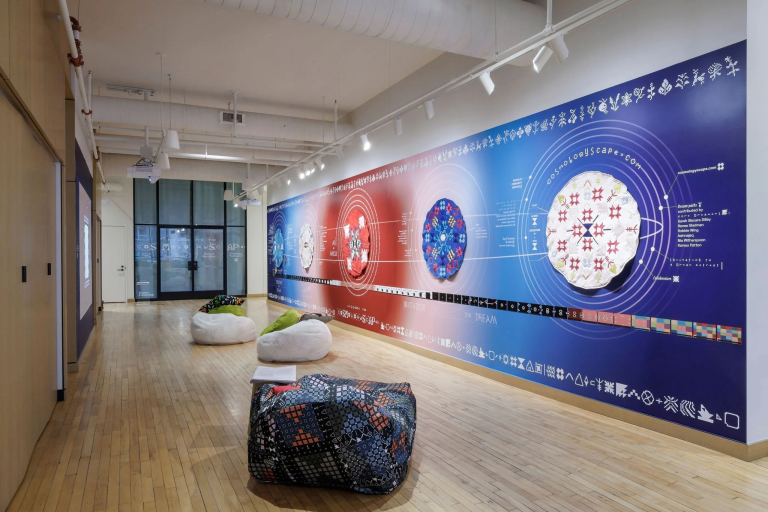
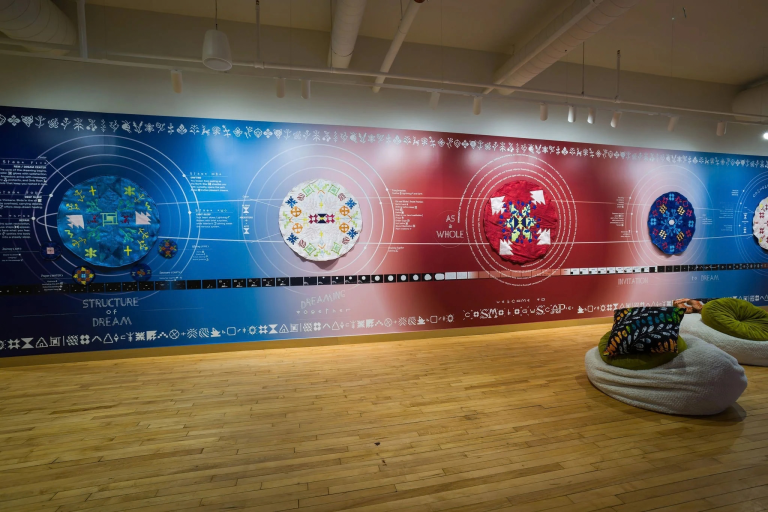
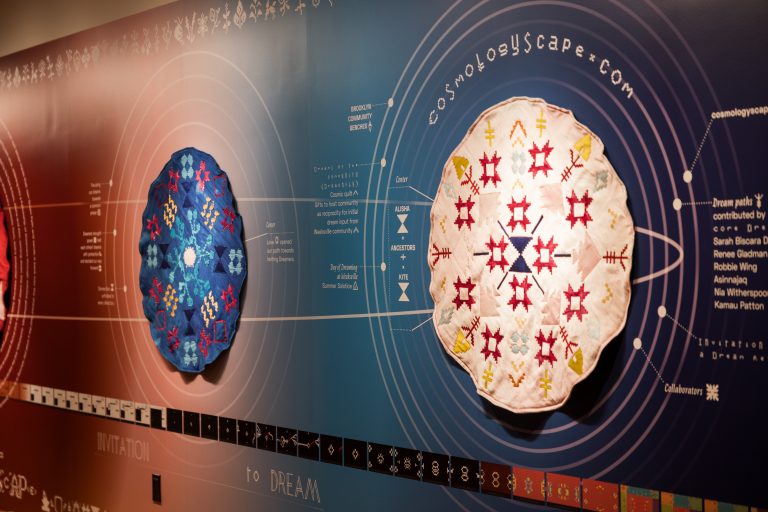
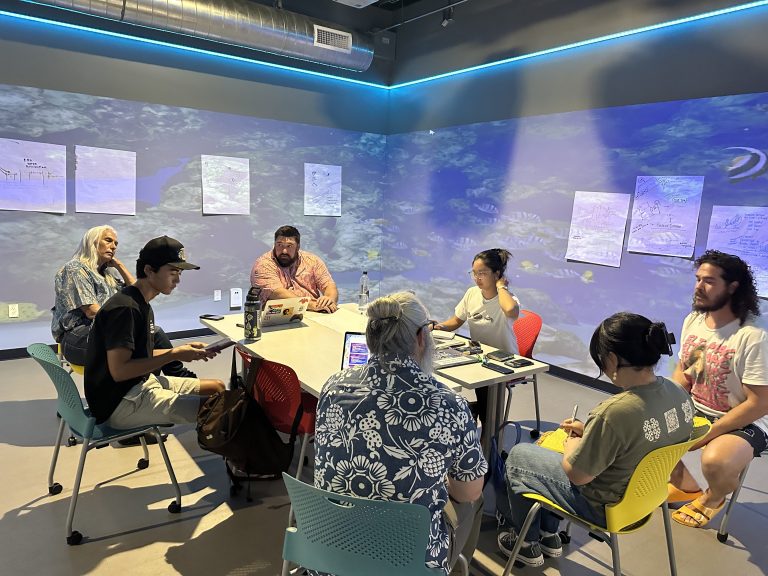
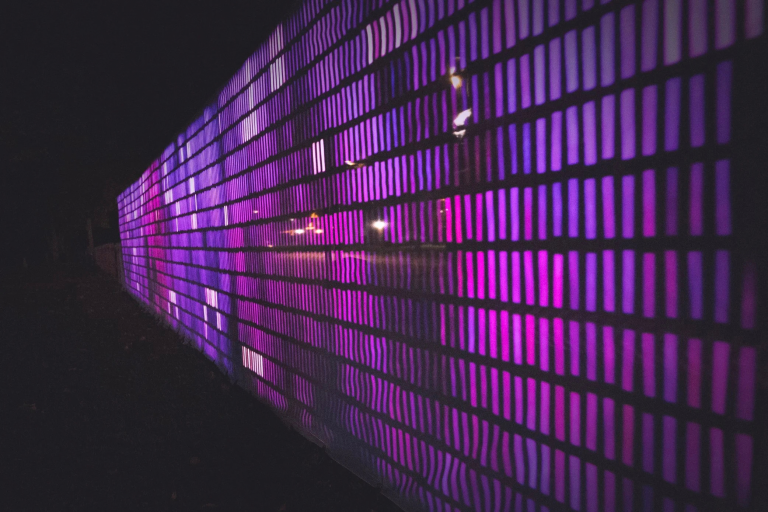
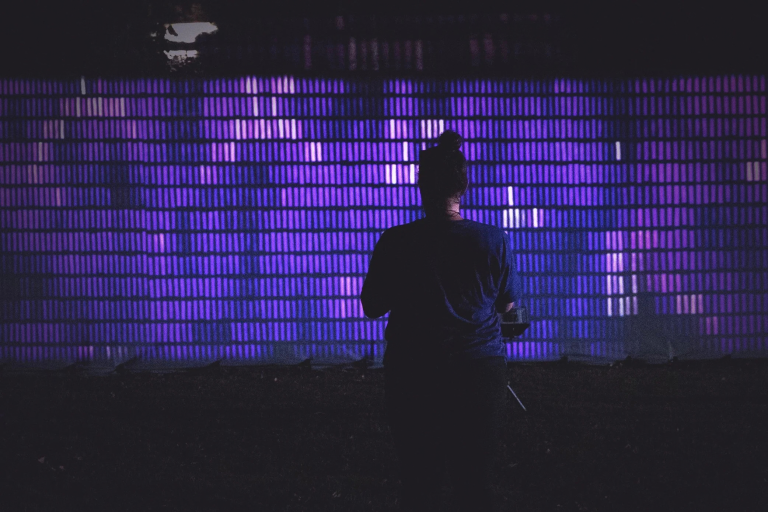
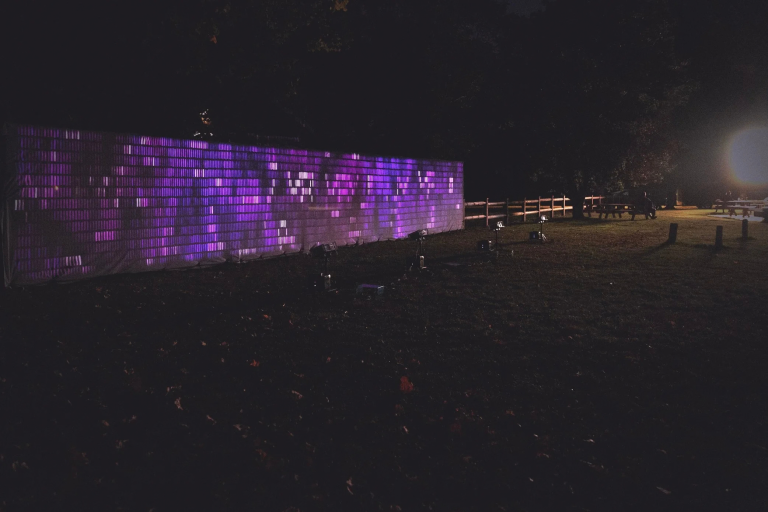
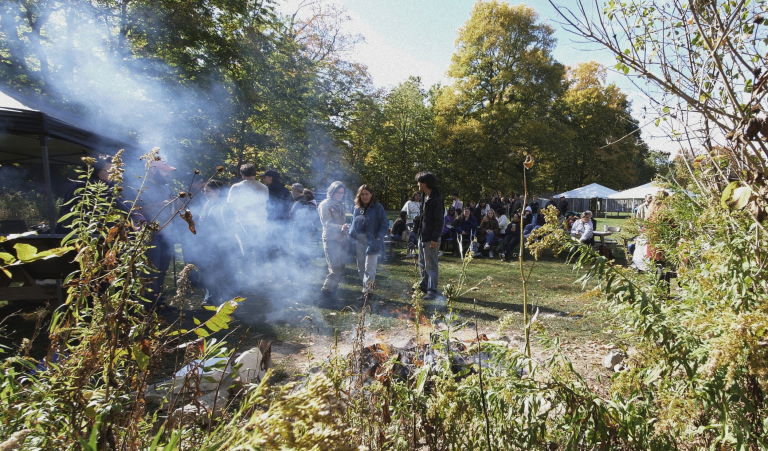
This project explores Indigenous approaches to AI research by building sustained relationships and ongoing dialogue among Niitsitapi (Blackfoot) Elders, knowledge keepers, scholars, cultural practitioners, educators, and students. Emerging from a community roundtable that brought together more than 40 Blackfoot leaders, artists, experts, and researchers, the project responds to calls for deeper engagement, ethical reflection, and community-led decision-making around emerging technologies. Grounded in Indigenous research methodologies, it prioritizes reciprocal relationships, intergenerational knowledge exchange, and collaborative experimentation over conventional researcher-driven models. Through a multistrand approach, the project supports a series of interconnected initiatives that combine AI research, methodological development, and technical skill-building while remaining responsive to community priorities and participant availability. In this work projects are shaped by the relational experiences and community dialogue which surround their making. The objective of this project was to reimagine technology through the lens of Indigenous ways of knowing and being, reflecting this in the art work and creative innovations combining virtual materials, knowledge systems, and emergent technologies. By centering dialogue, collective learning, and Indigenous futurities, the project seeks to develop and share culturally grounded approaches to AI that are guided by community knowledge, collective memory, and shared visions for the future.
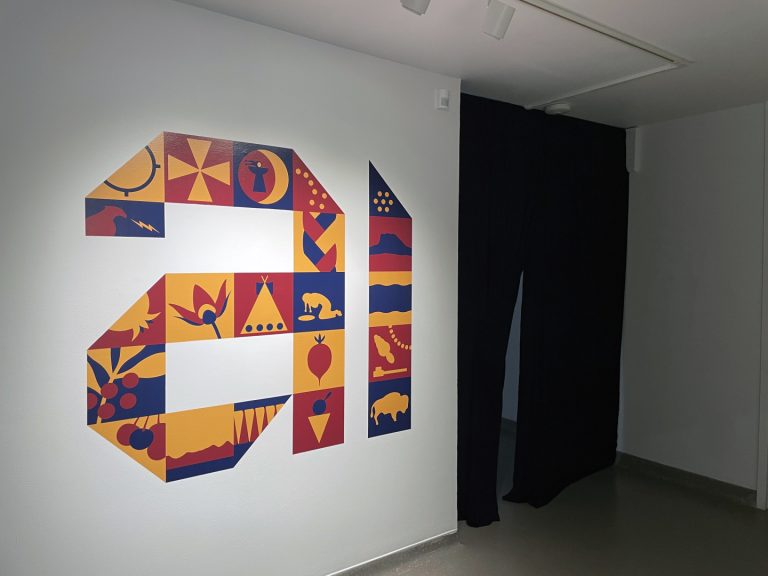
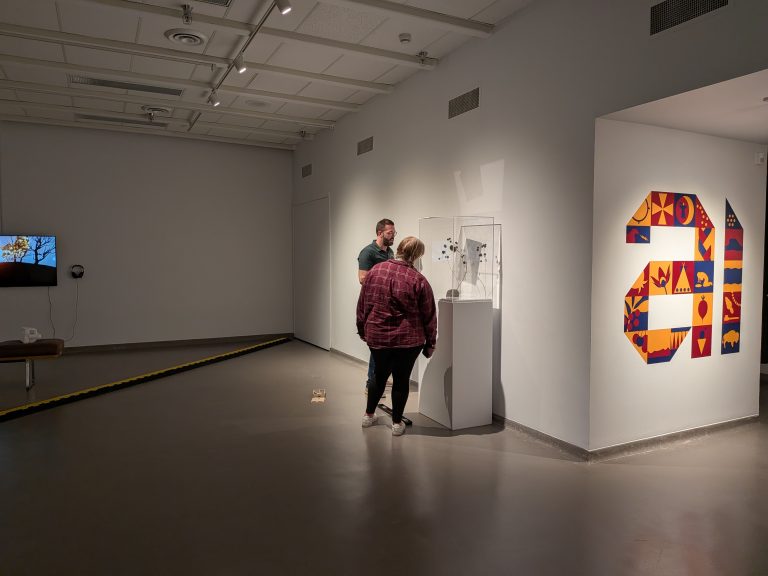
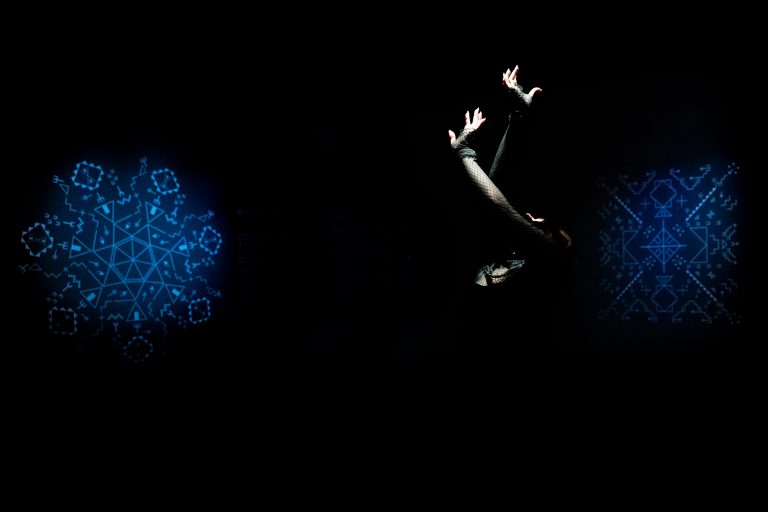
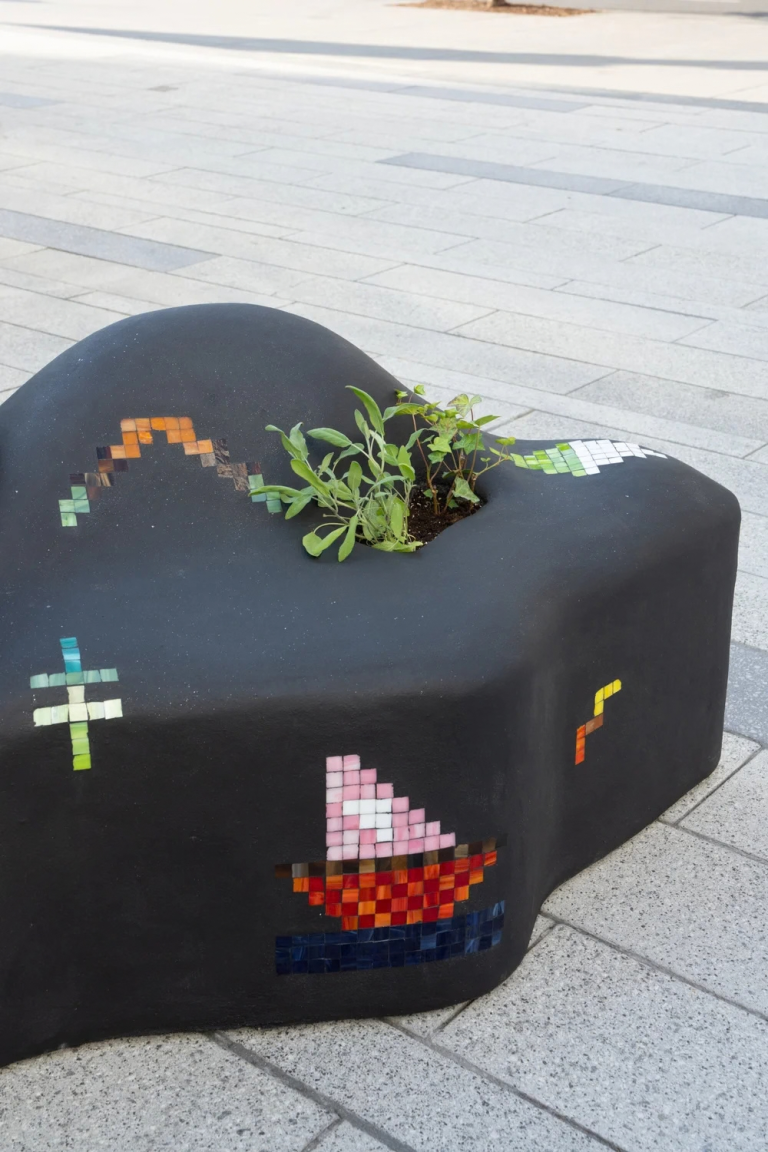
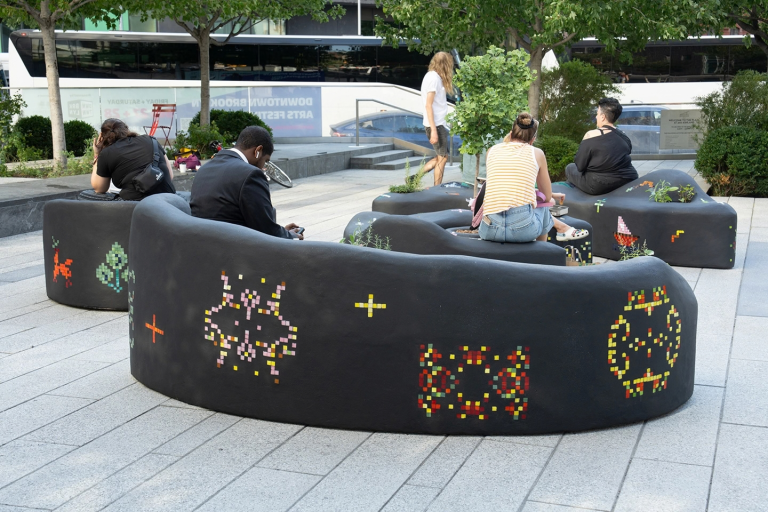
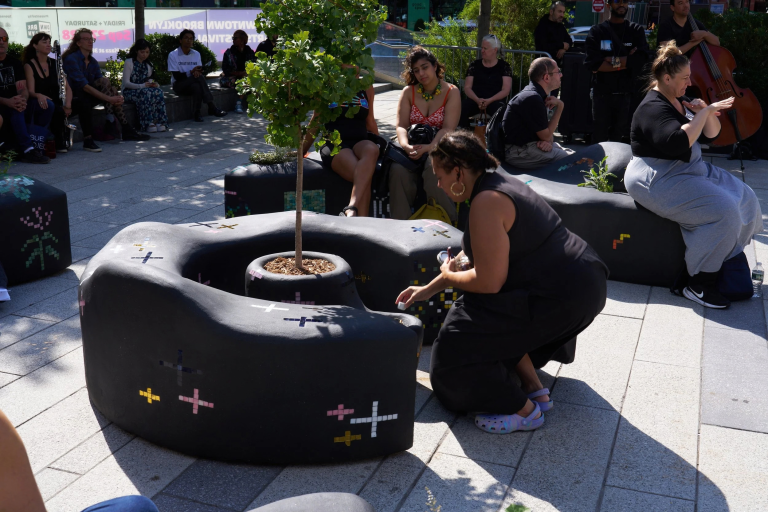
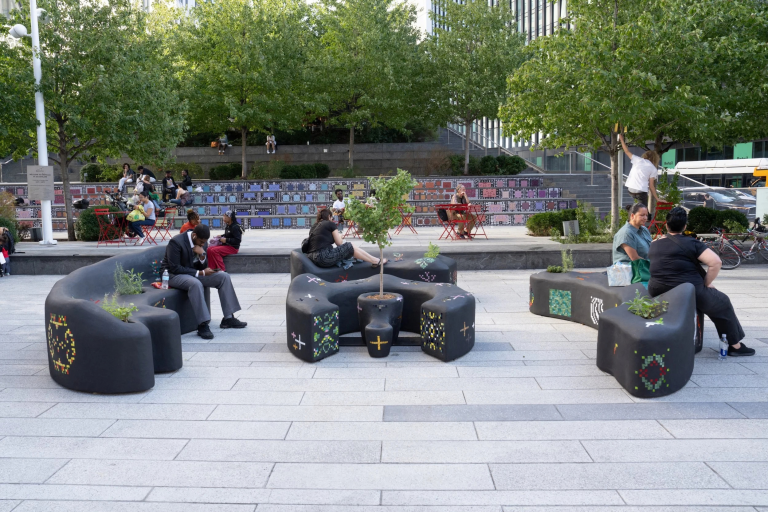
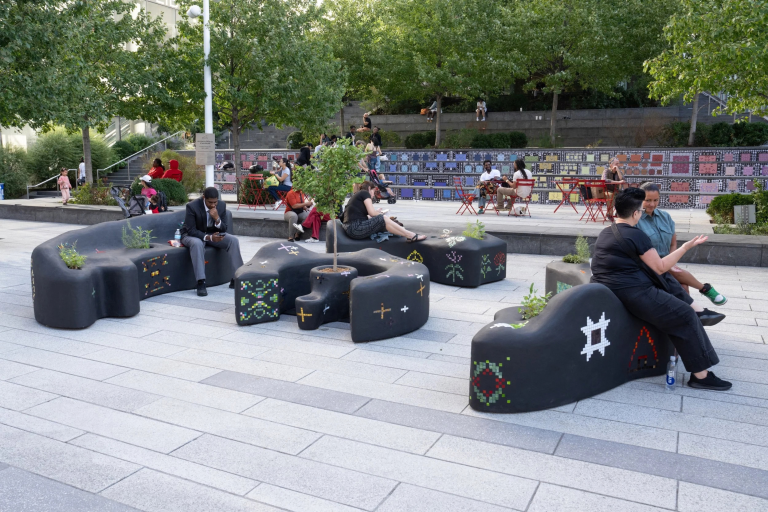
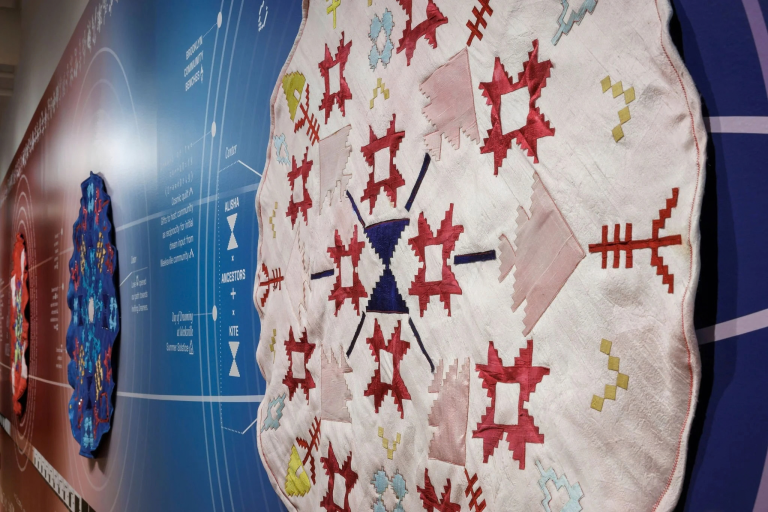
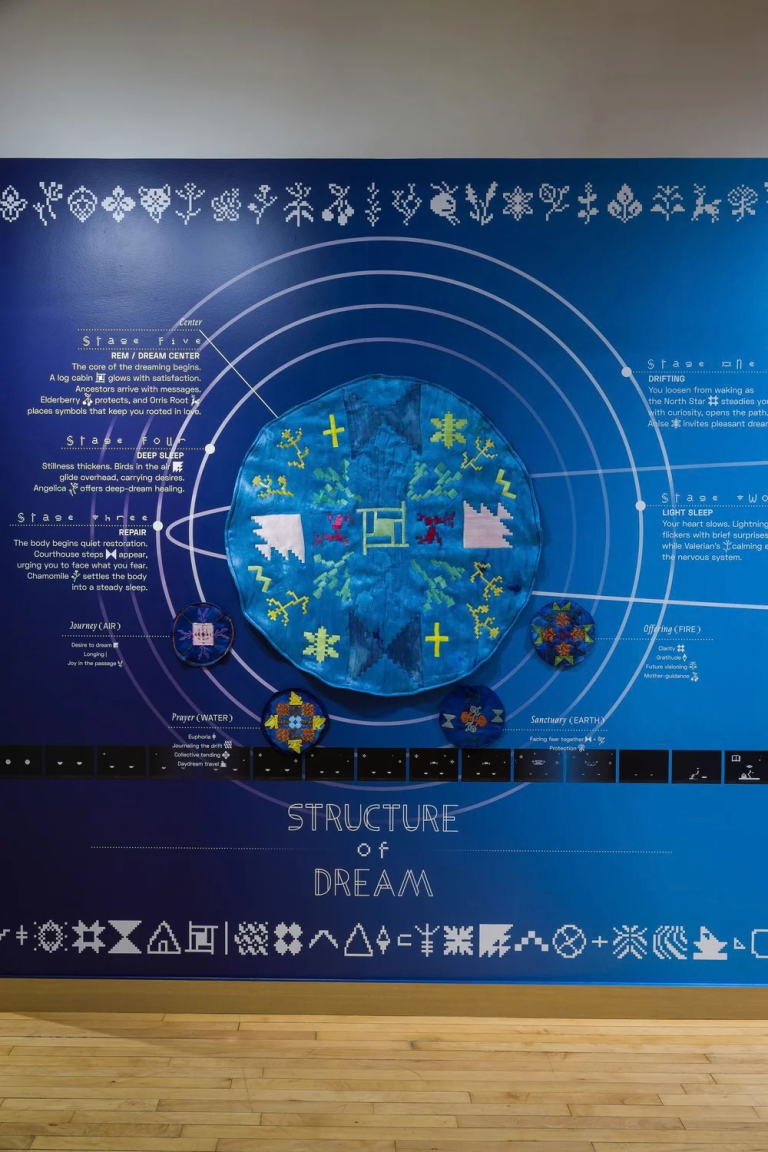
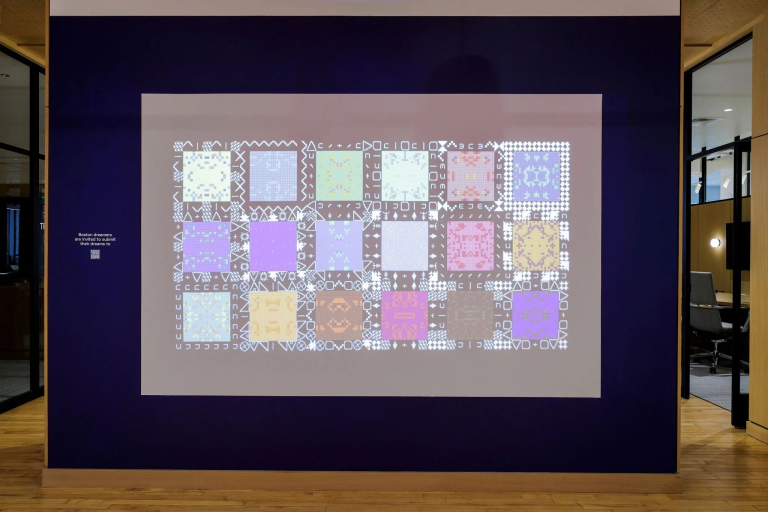
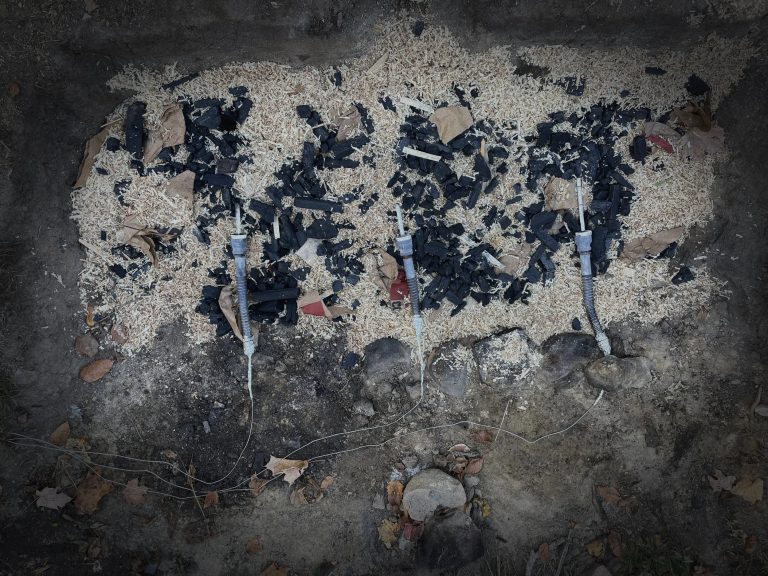
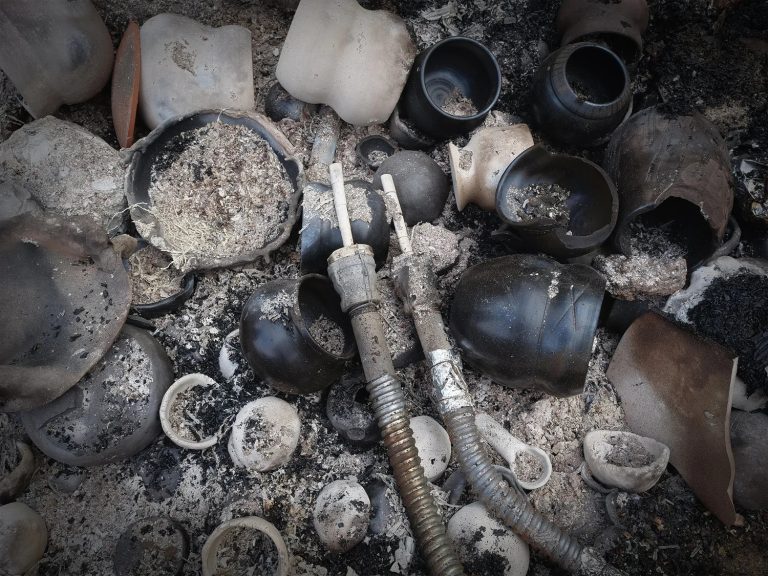
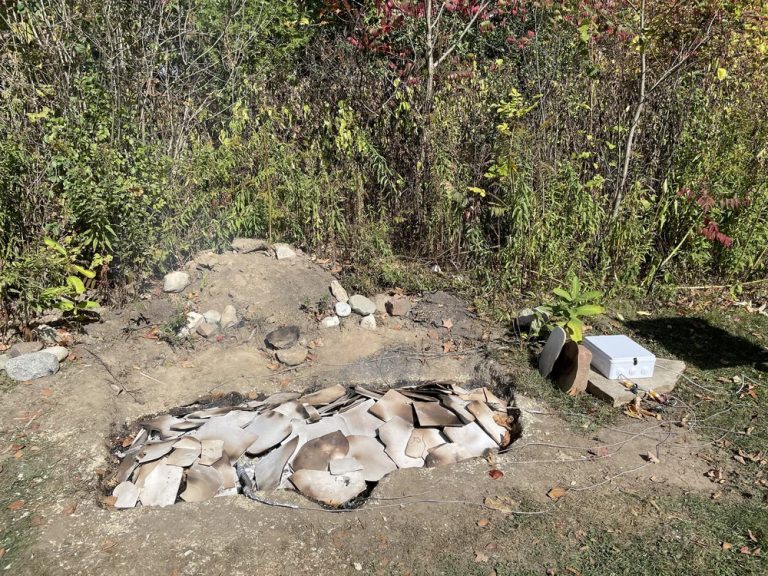
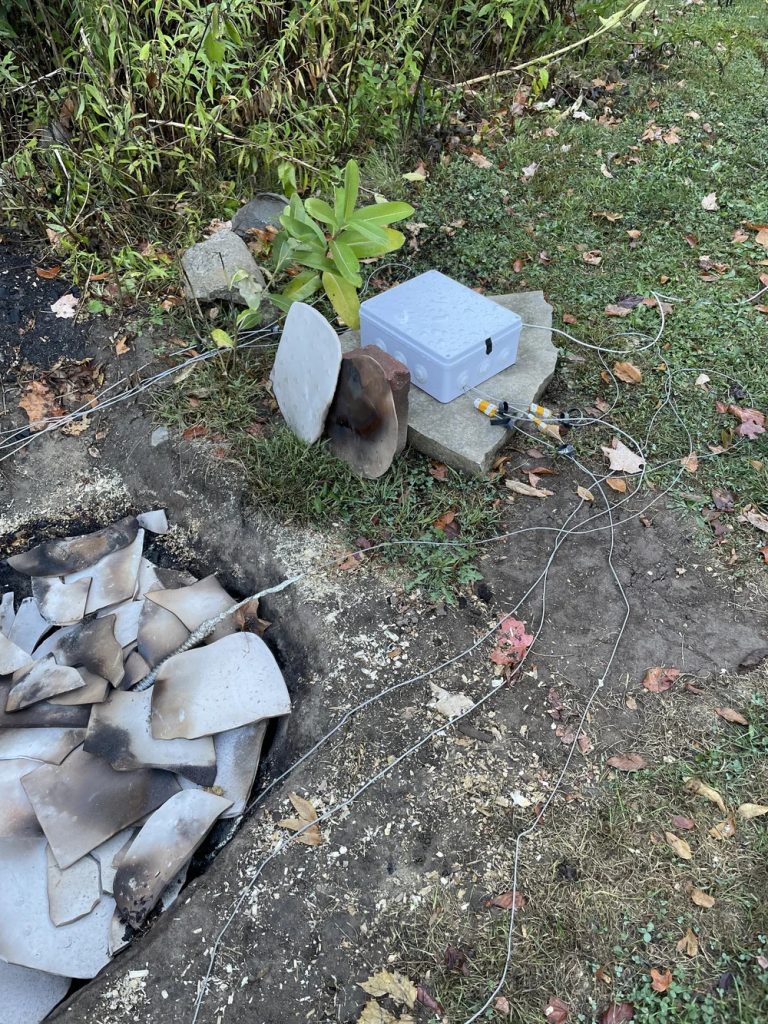
This was tested and enacted as we developed the Niitsitapi pod logo tiles. The discussion with the Elder advisory circle about these images became a way to explore the broader research questions and in this context, we were able to think about how visual representations have been used for and against us and how the Pod’s students are part of the next generation to shape visual language and communication. The resulting logo represents a complex network of relations that are also expressed through language, stories, song, and land-based teachings. It is a product of the Niitsitapi’s ‘interpretive template’ and in turn, it provides us with a map of these teachings to help guide our research and creative practices.
Knowledge Mobilization; Methodologies; Networks; Research Creation; Students/Learners