Meet our interdisciplinary team
Search by
Aaron Courville
Co-investigator
Institut de Valorisation des Données (IVADO), Mila Quebec AI Institute, Université de Montréal
Dr. Aaron Courville is a Professor in the Department of Computer Science and Operations Research (DIRO) at the Université de Montréal and Scientific Director of IVADO. He received his PhD from the Robotics Institute, Carnegie Mellon University. He is a founding member of Mila and a fellow of the CIFAR program on Learning in Machines and Brains. Together with Ian Goodfellow and Yoshua Bengio, he co-wrote the seminal textbook on Deep Learning. His current research interests focus on the development of Deep Learning models and methods. He is particularly interested in the study of systematic generalization within neural networks, but he is also interested in deep generative model and multimodal ML with applications such as computer vision and natural language processing. Dr. Courville holds a Canada CIFAR AI Chair and a Canada Research Chair in Systematic Generalization. His research has been supported by Microsoft Research, Hitachi, Samsung and a Google Focussed Research Award. He will contribute his knowledge of systematic generalization within neural networks, deep generative models and multimodal ML to research challenges such as natural language processing (NLP).

Amethyst First Rider
Pod Lead
Iinii Initiative
Amethyst First Rider is a member of the Kainai Nation, Blackfoot Confederacy, Alberta, Canada. She is a leader in the performing arts community for more that 20 years, producing and directing plays depicting Aboriginal stories and culture. Her experience in the arts has included dance productions, consulting for the University of California, Berkeley’s planetarium, as well as narration and production in the National Film Board’s documentary: Kainayssini Imanistaiswa, The People Go On. She is central to the development and success of The Buffalo: A Treaty of Cooperation, Renewal and Restoration signed by over 30 First Nations and Tribes in Canada and the USA. It is the biggest modern Treaty amongst First Nations. She co-leads the Niitsitapi Pod at Abundant Intelligences along with Leroy Little Bear.
Archer Pechawis
Co-investigator, Pod Lead
York University
Of Cree and European ancestry, Archer Pechawis is a member of Mistawasis First Nation, Saskatchewan. He is a performance artist, new media artist, filmmaker, writer, curator, and educator. Born in Alert Bay, BC, he has been a practicing artist since 1984 with particular interest in the intersection of Plains Cree culture and digital technology, merging “traditional” objects such as hand drums with digital video and audio sampling. His work has been exhibited across Canada and in Paris France, and featured in publications such as Fuse Magazine and Canadian Theatre Review. Pechawis has been the recipient of many Canada Council, British Columbia and Ontario Arts Council awards, and won the Best New Media Award at the 2007 imagineNATIVE Film + Media Arts Festival and Best Experimental Short at imagineNATIVE in 2009. As an Associate Professor at York University, Pechawis co-leads the T’Karonto Pod at Abundant Intelligences alongside Sara Diamond and he will contribute to the theoretical and practical development of Indigenous epistemologies within computational contexts.

Ashley Cordes
Co-investigator
University of Oregon
Ashley Cordes is an Assistant Professor of Indigenous Media in Environmental Sciences and Data Science at the University of Oregon. She is a citizen of the Coquille Nation and also serves on the Climate Resilience Task Force. Her research lies at the intersection of Indigenous media, critical/cultural studies, environmental storytelling, and community-based projects. Her recent work in these areas has been published in journals such as Cultural Studies; Critical Methodologies, Journal of International and Intercultural Communication, and Feminist Media Studies. She is the author of Indigenous Currencies: Leaving Some for the Rest in the Digital Age (MIT Press) and is currently editing Envisioning Indigenous Methods in Media and Ecologies (Duke University Press). She brings her expertise in Indigenous digital media, alternative currencies including cryptocurrency, and computational support for Indigenous governance models.
Bryan Kamaoli Kuwada
Co-investigator
University of Hawaiʻi at Mānoa
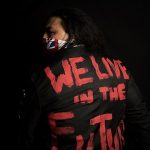
Bryan Kamaoli Kuwada (Kanaka Maoli) is an Assistant Professor of Moʻolelo ʻŌiwi at Kamakakūokalani Center for Hawaiian Studies (University of Hawaiʻi at Mānoa), specializing in Hawaiian language translation and storytelling practices. He is an editor and author who explores Indigenous Futurism through fiction, poetry, photography, essays and scholarly publications. He wrote ” We Live in the Future. Come Join Us .”, a seminal meditation on how Hawaiian ancestral practices enable abundant futures. Much of his research is focused on the nineteenth-century Hawaiian-language newspapers, a massive archive of Indigenous-authored writing that encompasses daily events to shipping notices to meditations on sovereignty to stories both traditional and contemporary. His work also focuses on Hawaiian and Indigenous digital media as a researcher, creator, and teacher of it. In 2017 and 2018, he helped put on intensive three-week workshops on telling traditional mo’olelo (stories/accounts/histories) through video games, through a strong partnership between Kanaeokana, a network of Native Hawaiian schools and organizations, AbTeC, and the Initiative for Indigenous Futures. He also teaches courses on digital media and Hawaiian/Indigenous Futurisms. A member of the Ka Hawai’i Pae Aina Pod, he will contribute expertise on how Hawaiian ancestral practices enable abundant futures.
Caroline Running Wolf
Collaborator
First Languages AI Reality (FLAIR)
Caroline Running Wolf, née Old Coyote, is a citizen of the Apsáalooke Nation (Crow) raised in the USA, Canada, and Germany. She is a Media Activist dedicated to supporting Indigenous language and cultural vitality, a published poet, and co-author of the Indigenous Protocol and Artificial Intelligence Position Paper. She co-founded IndigiGenius IndigiGenius , a U.S. nonprofit working to expand Indigenous representation in computer science through culturally informed curricula, programs, and initiatives; Buffalo Tongue, a nonprofit that explores virtual and augmented reality experiences for Indigenous culture; and First Languages AI Reality (FLAIR), an initiative developing methods for the rapid creation of customized ASR models for Indigenous languages. Her PhD research partners with Kwakwaka’wakw communities and explores potential applications of immersive technologies (AR/VR/XR) and artificial intelligence to effectively enhance Indigenous language and culture reclamation. She is also passionate about Indigenous Data Sovereignty and AI ethics. She will contribute expertise in building open source software for preserving Indigenous culture and languages.
Ceyda Yolgörmez
HQ, Postdoctoral Researcher
Concordia University
Ceyda Yolgörmez is a Postdocoral Researcher at the Indigenous Futures Research Cluster, working in the Abundant Intelligences Research Program. Her PhD work brought together social theory and interactive technologies, such as large machine learning models or social robots, to consider how our conceptions of the social are changing. Her PhD dissertation proposes a framework for a sociology of machines that reimagines human-machine relations. Her research looks at playful and creative engagements with machines as a site to explore and experiment with human machine socialities, and is interested in methodologies that reveal and trouble the common-sensical way in which we understand such relations.
D. Fox Harrell
Co-investigator
Massachusets Institute of Technology (MIT)
D. Fox Harrell, Ph.D., is Professor of Digital Media & Artificial Intelligence in the Comparative Media Studies Program and Computer Science and Artificial Intelligence Laboratory (CSAIL) at MIT. He is the Director of the MIT Center for Advanced Virtuality. His research explores the relationship between imagination and computation and involves inventing new forms of VR, computational narrative, videogaming for social impact, and related digital media forms. The National Science Foundation has recognized Harrell with an NSF CAREER Award for his project “Computing for Advanced Identity Representation.” Dr. Harrell holds a Ph.D. in Computer Science and Cognitive Science from the University of California, San Diego. His other degrees include a Master’s degree in Interactive Telecommunication from New York University’s Tisch School of the Arts, and a B.S. in Logic and Computation and B.F.A. in Art (electronic and time-based media) from Carnegie Mellon University – each with highest honors. He has worked as an interactive television producer and as a game designer. His book Phantasmal Media: An Approach to Imagination, Computation, and Expression was published by the MIT Press (2013). He will contribute to our understanding of how all technological systems are cultural systems.
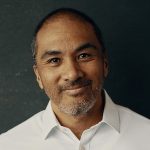
Donavan Kealoha
Collaborator
Purple Mai’a
Donavan Kealoha (Kānaka Maoli) is co-founder of the Purple Mai‘a Foundation as well as a Managing Director at Startup Capital Ventures. He specializes in identifying and supporting Hawaiian culturally-grounded technology innovations. A member of the Ka Hawai’i Pae Aina Pod, he will help develop instructional opportunities for educating Kanaka Māoli in AI, ML and data sovereignty practices.

Eilif Muller
Co-investigator
Institut de Valorisation des Données (IVADO), Mila Quebec AI Institute, Université de Montréal
Eilif B. Muller is a neuroscientist and artificial intelligence researcher who uses computational and mathematical approaches to study the biological and algorithmic mechanisms of learning in the mammalian neocortex. He earned his B.Sc. in mathematical physics from Simon Fraser University (2001), followed by an M.Sc. (2003) and Doctor of Natural Sciences (2007) in physics with a focus on computational neuroscience from Ruprecht Karl University of Heidelberg. He completed his postdoctoral training (2007–2010) in the Laboratory for Computational Neuroscience at EPFL with Prof. Wulfram Gerstner, working on network dynamics, simulation technologies, and plasticity. From 2011 to 2019, he led research teams at the Blue Brain Project at EPFL, contributing to the development of data-driven, in silico models of brain tissue. In 2015, he co-authored the landmark Cell study, “Reconstruction and Simulation of Neocortical Microcircuitry,” described as the most complete simulation of excitable brain matter to date, and subsequently published widely on neocortical structure, dynamics, and plasticity in leading journals. In 2019, he became a senior researcher at Element AI before joining the Université de Montréal as an IVADO Assistant Research Professor in the Department of Neuroscience, a Canada CIFAR AI Chair at Mila, and a researcher at the CHU Sainte-Justine Research Center. He leads the Architectures of Biological Learning Lab (ABL-Lab), focusing on learning in biological and artificial systems. He will contribute his expertise in understanding learning in biological and artificial systems.
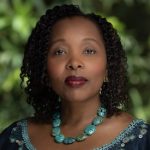
Éliane Ubalijoro
Co-investigator
Concordia University
Dr. Éliane Ubalijoro is the CIFOR-ICRAF Chief Executive Officer and ICRAF Director General (DG). A Rwandan Canadian scientist and executive, her decades of experience span academia, science-policy and the non-profit and international development sectors. She is also a Professor of Practice for Public-Private Sector Partnerships at McGill University’s Institute for the Study of International Development. Ubalijoro serves on numerous international advisory and governance bodies, including the Impact Advisory Board of the Global Alliance for a Sustainable Planet; Rwanda’s National Science and Technology Council; and the Presidential Advisory Council to President Paul Kagame, on which she has served since its inception in 2007. Her global policy expertise extends to the Expert Consultation Group on the post-COVID-19 implications for collaborative governance of genomics research and innovation, as well as the African Development Bank’s Expert Global Community of Practice on COVID-19 response strategies in Africa. She also serves on the Supervisory Board of the Capitals Coalition and on the advisory boards of the Earth Leadership Program, ShEquity, and Orango Investment Corporation, and sits on the boards of Genome Canada and the Crop Trust. She will contribute expertise on how locally-grounded science and technology research can be translated into effective governing and funding policies.
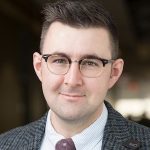
Fenwick McKelvey
Co-investigator
Concordia University
Fenwick McKelvey is an Associate Professor of Information and Communication Technology Policy in the Department of Communication Studies at Concordia University. He is co-associate director of the Milieux Institute, leads Machine Agencies, and serves as Director of the Algorithmic Media Observatory. He is the author of Internet Daemons: Digital Communications Possessed (University of Minnesota Press, 2018), which won the 2019 Gertrude J. Robinson Book Award, and co-author of The Permanent Campaign: New Media, New Politics (Peter Lang, 2012) with Greg Elmer and Ganaele Langlois. McKelvey frequently appears as an expert commentator in the media and has intervened in media regulatory hearings. He is also a member of the Educational Review Committee of The Walrus magazine. His research focuses on digital politics and policy, and he contributes expertise in digital infrastructures, algorithms, bots, and artificial intelligence in relation to Internet policy and governance.
Graham Hingangaroa Smith
Collaborator
Massey University
Professor Hingangaroa Smith is an internationally respected Māori scholar whose work has played a major role in advancing Māori and Indigenous education. His research and leadership focus on addressing structural inequities affecting Māori communities across cultural, political, social, educational, and economic domains, with early scholarship helping establish Kura Kaupapa Māori as both educational theory and practice. He has held senior academic leadership roles in Aotearoa and internationally, including Pro Vice-Chancellor (Māori) at the University of Auckland, where he led major Māori development initiatives and helped secure the National Centre of Research Excellence, Ngā Pae o te Māramatanga. He later served as Distinguished Professor of Indigenous Education and Head of Education Policy Studies at the University of British Columbia. Professor Smith returned to Aotearoa to serve as Chief Executive of Te Whare Wānanga o Awanuiārangi before accepting a Professorial Chair at Massey University. Across his career, he has made enduring contributions to the advancement of Māori and Indigenous peoples in Aotearoa and the Pacific Rim.

Guillaume Dumas
Co-investigator
Institut de Valorisation des Données (IVADO), McGill University, Mila Quebec AI Institute, Université de Montréal
Guillaume Dumas is an Associate Professor of Computational Psychiatry at the Université de Montréal and Principal Investigator of the Precision Psychiatry and Social Physiology Laboratory at the CHU Sainte-Justine Research Center. He holds the IVADO Professorship in “AI in Mental Health” and the FRQS J1 in “AI and Digital Health.” Previously, he was a permanent researcher at the Institut Pasteur (Paris) and a postdoctoral fellow at the Center for Complex Systems and Brain Sciences (FAU, USA). He holds an engineering degree from École Centrale Paris, two MSc degrees in theoretical physics and cognitive science, and a PhD in cognitive neuroscience from Sorbonne University. His research aims at cross-fertilizing AI/ML, cognitive neuroscience, and digital medicine through an interdisciplinary program with two main axes: AI/ML for Mental Health, creating new algorithms to investigate the development of human cognitive architecture and to deliver personalized medicine in neuropsychiatry using data from genomes to smartphones; and Social Neuroscience for AI/ML, translating basic brain research and dynamical systems formalism into neurocomputational and machine learning hybrid models (NeuroML) and machines with social learning ability (Social NeuroAI & HMI). He co-developed the first graduate course in computational medicine at Université de Montréal and participates in numerous projects at the interface between science and society, from raising awareness about altered states of consciousness (co-founder of Alius Research, 2007) and open science (co-founder of HackYourResearch, 2012) to advising governments about AI (expert for the two French AI national strategic plans) and fighting for cognitive freedom (twice invited expert at the United Nations Human Rights Council). He brings expertise in AI for Mental Health and Social Neuroscience for AI to advance interdisciplinary approaches in computational psychiatry.

Hazel Dreslinski
HQ
Concordia University
Hazel Dreslinski works as the Research Activities Coordinator for Abundant Intelligences’ HQ and is currently pursuing an undergraduate degree in music composition at Concordia University. A white-settler of Polish descent, they grew up just outside Nogojiwanong/Peterborough, Ontario and attended Trent University to study culture and communications before relocating to Tiohtià:ke/Montreal in 2023. They are particularly interested in exploring the diverse roles of rhythm in various cultural milieux.
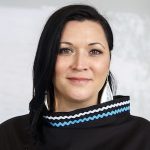
Heather Igliorte
Co-investigator
University of Victoria
Dr. Heather Igloliorte (Inuk, Nunatsiavut) is an internationally recognized curator, art historian, and Professor of Visual Arts, currently holding the Canada Excellence Research Chair in Decolonial and Transformational Indigenous Art Practices at the University of Victoria. Her research and curatorial work foreground circumpolar Inuit and other Indigenous arts and knowledges within global contemporary art, spanning exhibitions, public art, museum collections, and new media, with a strong emphasis on decolonial practice, Indigenous youth mentorship, and institutional transformation related to health, technology, and cultural resilience. A curator since 2005, she has created or co-created more than 30 exhibitions, including landmark projects such as “We Were So Far Away”: The Inuit Experience of Residential Schools; INUA: Inuit Nunangat Ungammuaktut Atautikkut, the inaugural exhibition of Qaumajuq at the Winnipeg Art Gallery; and SakKijâjuk: Art and Craft from Nunatsiavut, which received the Canadian Museums Association’s Award of Outstanding Achievement in Education. From 2018 to 2025, she directed Inuit Futures in Arts Leadership: The Pilimmaksarniq/Pijariuqsarniq Project, a national initiative addressing Inuit underrepresentation in arts leadership. Previously, she held the Tier 1 University Research Chair in Circumpolar Indigenous Arts at Concordia University, where she co-directed the Indigenous Futures Research Centre. Her contributions have been recognized with the 2021 Hnatyshyn Foundation Award for Curatorial Excellence in Contemporary Art and the Royal Canadian Academy of Arts Medal, becoming its first Indigenous recipient.
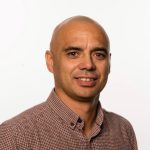
Hēmi Whaanga
Co-director, Co-investigator
Massey University
Dr. Hēmi Whaanga is a Professor and Head of Massey University’s School of Te Pūtahi-a-Toi – School of Māori Knowledge. He has worked as a project leader and researcher on a range of projects centred on the revitalization and protection of Māori language and knowledge (including Mātauranga Māori, digitization of indigenous knowledge, ICT and indigenous knowledge, ethics, traditional ecological knowledge, language revitalisation, Māori astronomy, and linguistics). He affiliates to Ngāti Kahungunu through his father, and Ngāi Tahu, Ngāti Mamoe and Waitaha through his mother. Professor Whaanga is recognized as a leading scholar researching the revitalization, protection, distribution, and development of Māori knowledge and language, and incorporating mixed-method approaches, processes, and technologies to analyze, develop, present, and protect new and sacred knowledge in different linguistic, cultural, ethical, and digital contexts. His leadership in Māori digital initiatives earned him an invitation from the Science for Technological Innovation National Science Challenge to lead and develop the conceptual framework for ‘Ātea’, a multi-million-dollar spearhead project to conduct and share impactful research with experts in AI, VR and AR, NLP, ML, Indigenous and Māori data sovereignty, and digital repositories.
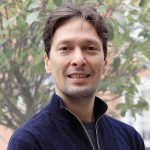
ʻŌiwi Parker Jones
Co-investigator
Oxford University
Dr. ʻŌiwi Parker Jones leads the Neural Processing Lab (PNPL) in the Department of Engineering Science at the University of Oxford. His primary research interest is in the development of effective non-invasive Brain Computer Interfaces (BCIs) for people who cannot speak. This includes basic research on speech and language in the brain, and the development of powerful new deep learning methods for neural data. When he has spare compute cycles, Parker Jones also works on Automatic Speech Recognition for the Hawaiian language, which he grew up speaking as part of the Pūnana Leo O Hilo, Kula Kaiapuni O Keaukaha, and Nāwahīokalaniʻōpuʻu. He completed a Doctor of Philosophy at the University of Oxford focused on Natural Language Processing (NLP) for low-resource languages. He further trained as a postdoc in Imaging Neuroscience at UCL and Oxford, and in Applied Artificial Intelligence in Oxford. Previously, he was a lecturer in Medicine at St Peter’s College, Oxford, and is currently Hugh Price Fellow in Computer Science at Jesus College, Oxford, and one of seven Principal Investigators at the Oxford Robotics Institute.
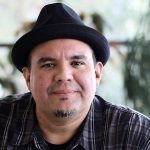
Jackson Leween TwoBears
Co-director, Co-investigator, Pod Lead
Western University
Tékeniyáhsen Ohkwá:ri (Jackson 2bears) is a Kanien’kehaka (Mohawk) multimedia installation/ performance artist and cultural theorist from Six Nations and Tyendinaga, who is currently based in London. He is Canada Research Chair (Tier 1) in Indigenous Arts Research & Technology, Associate Professor of Visual Arts and Indigenous Studies, and Director of the Onkwehonwe Research Environment (ORE) at the University of Western Ontario. His research-creation activities focus on Indigenous land-based histories and embodied cultural knowledge, exploring creative uses of digital technologies to support the innovation, transmission, expression, and transformation of First Nations, Métis, and Inuit creative and cultural practices. His recent works focus on the impacts of changing technologies on contemporary Indigenous politics, culture, and society. He has worked extensively with/in Indigenous communities, notably the Blackfoot (Niitsitapi) community in Treaty 7 territory and in his own Haudenosaunee community of Six Nations. He is co-investigator on a large-scale research project called Mootookakio’ssin, working with Dr. Leroy Little Bear and several Blackfoot knowledge-keepers to create high-resolution 3D models of sacred Niitsitapi artifacts kept in museums around the world. Two Bears’ research lab, Onkwehonwe Research Environment (ORE), supports numerous research collaborations with the Blackfoot community and community organizations in Six Nations. ORE is currently involved in a project with an Ohsweken community organization, Thru the Red Door, and MIT researchers creating virtual environments for Haudenosaunee cultural practice and language revitalization based on longhouse/community protocols. Dr. Two Bears is also the Pod Lead for the Haudenosaunee Pod.
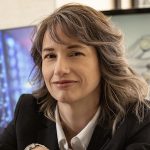
Jacqueline Rice
Co-investigator
University of Lethbridge
Dr. Rice is a Professor of Computer Science and serves as Associate Vice President (Research) and Dean of the School of Graduate Studies and Postdoctoral Affairs at the University of Lethbridge, where she has been a faculty member since 2002. Over her career she has held numerous academic leadership roles, including Associate Dean in the Faculty of Arts & Science and Interim Dean of the Faculty of Fine Arts, where her leadership helped strengthen the research culture, including increasing the number of Canada Research Chairs. In her current role, she emphasizes clear communication, equity, diversity, and inclusion, and reducing barriers for graduate students while strengthening engagement across the university’s research enterprise. Dr. Rice holds a B.Sc., M.Sc., and Ph.D. from the University of Victoria and has extensive experience in teaching, industry, outreach, and interdisciplinary program development, including co‑founding LUMACS. Her research spans logic synthesis and Boolean function theory and now focuses on sociolinguistics in computer programming, examining how language use influences learning, communication, and participation in software development, particularly for women and other underrepresented groups.
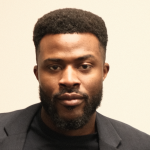
James Agbonhese
HQ
Concordia University
James Agbonhese is currently pursuing a Master’s degree in Computer & Electrical Engineering at Concordia University. With experience across multiple sectors, he is consistently focused on using technology to solve meaningful, real-world problems. His work lies at the intersection of AI, automation, and digital transformation. Currently, he manages automated ETL pipelines & visualizations, LLM-RAG frameworks, deployment processes, and workflow automation tools for Abundant Intelligences, supporting scalable, data-informed decisions in his role as Data & Archives Research Assistant. In addition to his technical expertise, he is passionate about building systems that are not only efficient, but intentional.
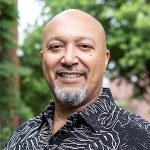
Jason Edward Lewis
Co-director, Principal Investigator
Concordia University
Jason Edward Lewis is a digital media theorist, poet, and software designer. He founded Obx Laboratory for Experimental Media, where he conducts research/creation projects exploring computation as a creative and cultural material. Lewis is deeply committed to developing intriguing new forms of expression by working on conceptual, critical, creative and technical levels simultaneously. He is the University Research Chair in Computational Media and the Indigenous Future Imaginary as well Professor of Computation Arts at Concordia University. Lewis was born and raised in northern California, and currently lives in Montreal.
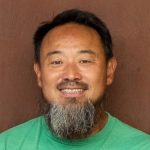
Jason Leigh
Co-investigator
University of Hawaiʻi at Mānoa
Dr. Jason Leigh is the Director of LAVA: the Laboratory for Advanced Visualization & applications, Co-Director of the Hawaii Data Science Institute, Director of Create(x) at University of Hawaii at West Oahu, and Professor of Information & Computer Sciences at the University of Hawai‘i at Mānoa. He is also Director Emeritus of the Electronic Visualization Lab and the Software Technologies Research Center at the University of Illinois at Chicago, where he was previously Professor of Computer Science and Affiliated Professor of Communications. In addition, he was a Fellow of the Institute for Health Research and Policy at the University of Illinois at Chicago, and has held research appointments at Argonne National Laboratory, and the National Center for Supercomputing Applications. His research expertise includes: Big data visualization; virtual reality; high performance networking; and video game design. He is co-inventor of the CAVE2 Hybrid Reality Environment, and SAGE: Scalable Amplified Group Environment software, which is the most widely used platform for information-intensive collaboration. In 2010 he initiated a new multi-disciplinary area of research called Human Augmentics, which refers to the study of technologies for expanding the capabilities and characteristics of humans. His research has also received numerous press from News media including: the AP News, New York Times, Popular Science’s Future Of, Nova ScienceNow, NSF Science Now, PBS, and Forbes. Dr. Leigh also teaches classes in Software Design, Virtual Reality, Data Visualization and Video Game Design. In 2010 his video game design class enabled the University of Illinois at Chicago to be ranked among the top 50 video game programs in US and Canada.
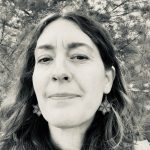
Jill Kinaschuk
HQ
Concordia University
Jill Kinaschuk is our Senior Operational Support originally from Misâskwatômin (Saskatoon). She holds a BA in Human Relations and Gender Studies as well as an MA in Human Systems Intervention (Organizational Development) from Concordia University. Her background includes coordination, creating administrative processes, strategizing dialogue, and building collaborative, relational, and diverse environments. Additionally, she is passionate about human behaviour, problem-solving, thinking outside the box, supporting social and political issues, and creative expression (ceramics, film photography, painting).
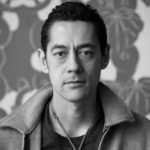
Johnson Witehira
Co-investigator, Collaborator
Massey University
Dr. Johnson Witehira is recognized as an expert on Māori design and Head of Te Rewa o Puanga School of Music and Screen Arts at Massey University in Wellington. His practice focuses on how customary Māori knowledge and ways of thinking can be applied in contemporary settings. His writings on Māori design have been published in world-leading design journals and books including; Visible Language (University of Cincinnati), The Graphic Design Reader (Bloomsbury), Novum (Munich) and Monocle (London). As a practising designer Witehira has worked with Māori tribal groups, community organizations and Government agencies to instigate design solutions that effect positive change in people, practice and place. Within academia Witehira’s research focuses on decolonizing design education. He is at the forefront of developing bi-cultural and Māori responses to teaching design. As an artist, Witehira’s practice combines three areas of interest; technology, identity and post-colonial theory. His digitally-focused artworks have been shown globally through a number of exhibitions, the most prominent being his Toi Māori x Times Square project which was displayed simultaneously on 36 screens in Times Square, New York. He co-founded Indigenous Design and Innovation Aotearoa. As a member of Hiringa te Mahara, he will contribute his expertise in grounding design practice in Māori traditional knowledge and using speculative design practices to imagine alternative Māori futures.
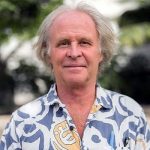
Jonathan Deenik
Collaborator
University of Hawaiʻi at Mānoa
Jonathan Deenik received his BA in History and Art History (College of Wooster) and then joined the Peace Corps where is served as a teacher and teacher trainer in the forest of southern Cameroon (’85-’87) and remote central Nepal (’87-’91). He came to Hawaii in 1992 and completed his MS and PhD degrees at Manoa in Soil Science. He joined the Dept of Tropical Plant and Soil Sciences in 2003 with a three-way split (extension, research and instruction). His work focuses on soil nutrient management and soil quality across the spectrum of tropical agroecosystems. He works with farmers throughout the Hawaiian Islands and Micronesia.
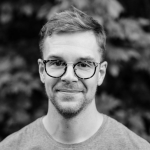
Jordan Brown
HQ
Concordia University
Jordan Brown is the Assistant Director of Finance at Abundant Intelligences. He is a white settler of Irish/Scottish/French-Canadian descent based in Tiohtià:ke/Mooniyang/Montréal. He holds a BComm in Management from the John Molson School of Business (2011). Jordan’s role builds on a wealth of largely self-taught knowledge accumulated through past experiences as an entrepreneur and within the Canadian non-profit sector creating governance, operation and finance systems from the ground up. Having played in a touring band for the better part of a decade and spent a portion of his professional career working for a larger organizations, he has ventured to both sides of the spectrum to eventually find that he thrives somewhere between process and creativity.
Josephine Mills
Collaborator
University of Lethbridge
Dr. Josephine Mills is Director and Curator of the University of Lethbridge Art Gallery and a Professor in the Department of Art. She has held curatorial and public programming roles at art galleries and artist-run centres in Saskatoon and Vancouver. Mills holds a PhD in Communication Studies from Concordia University in Montréal and is a graduate of the Getty Center’s Museum Leadership Institute. Her research centres on socially engaged art, gallery practice, and public engagement, and is closely integrated with the University of Lethbridge Art Gallery’s programming. She is a member of Mootookakio’ssin (distant awareness) project, which connects communities on Blackfoot territory with non-sacred historical Blackfoot objects in European museum collections through digital platforms, exhibitions, and outreach. Mills also collaborates with the Re:mediating Soil team as a co-curator, outreach organizer, and supporter of artist residencies. She has previously served as President of both the University and College Art Gallery Association of Canada and the Canadian Art Museum Directors’ Organization.
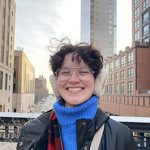
Julia Fortin
HQ
Concordia University
Julia Fortin is a white settler art historian and designer of French-Canadian descent based in Tiohtià:ke/Mooniyang/Montréal. She holds an MA in Art History from Concordia University, a BA in Art History from McGill University, and a Diploma of College Studies in Graphic Design. Her graduate thesis, supervised by Dr. Michelle McGeough, examined how the imagery created in solidarity with the #NoDAPL movement helped water protectors and their allies create a future imaginary. She currently works as a studio designer for Aboriginal Territories in Cyberspace and Abundant Intelligences at the Indigenous Futures Research Centre.
Kamuela Enos
Co-investigator
University of Hawaiʻi at Mānoa
Kamuela Enos (Kānaka Maoli) is founder of UH’s Office of Indigenous Innovation, which identifies, researches, and scales traditional practices for the benefit of Indigenous communities. The former director of social enterprise at MA‘O Organic Farms, he has extensive experience in revitalizing ancestral agricultural practices. He will contribute to the development of meaningful and co-generative collaboration with Indigenous communities around new technologies. He will contribute to the development of meaningful and co-generative collaboration with Indigenous communities around new technologies.
Kari Noe
Co-investigator, Pod Lead
University of Hawaiʻi at Mānoa
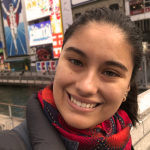
Kari Noe is a PhD research assistant at Laboratory for Advanced Visualization and Applications (LAVA) at the University of Hawaiʻi at Mānoa, and co-leads the emerging media lab, Create(x), at the Academy of Creative Media at the University of Hawaiʻi at West Oʻahu. Her research includes: Human Computer Interaction, Extended Reality Technologies, and video game development for both serious and entertainment games. More specifically, she is interested in the ways emerging media can support learning. As a mixed Kanaka ʻŌiwi (Native Hawaiian) scholar, she focuses on projects that involve Hawaiian cultural heritage. Her research has been published in numerous conferences such as ACM CHI and ACM SIGGRAPH, and her work has been featured in both local and international venues such as the Bishop Museum on Oʻahu or the Global Asia/Pacific Art Exchange (GAX) in Montreal.
Karim Jerbi
Co-director, Co-investigator
Mila Quebec AI Institute, Université de Montréal
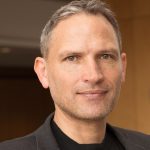
Karim Jerbi is a Professor in the Department of Psychology at the University of Montreal, where he holds a Canada Research Chair (Tier 2) in Computational Neuroscience and Cognitive Neuroimaging. He is the Director of UNIQUE, the Quebec-wide Neuro-AI Research Center, and an Associate Professor at Mila, the Quebec AI research institute. Dr. Jerbi earned a PhD in Cognitive Neuroscience and Brain Imaging from Pierre and Marie Curie University in Paris and holds a degree in Biomedical Engineering from the University of Karlsruhe, Germany. His research sits at the intersection of cognitive, computational, and clinical neuroscience. The work conducted in his laboratory focuses on elucidating the role of neural oscillations and large-scale brain communication in cognition—including decision-making, attention, consciousness, and creativity—and on investigating brain network alterations in psychiatric and neurological disorders. His multidisciplinary research program combines advanced brain-imaging methods, such as magnetoencephalography (MEG) and scalp and intracranial electroencephalography (EEG), with state-of-the-art signal processing, computational modeling, and data analytics, including machine learning. Dr. Jerbi also has a strong interest in the convergence of neuroscience, artificial intelligence, and art, as well as in promoting justice within and beyond the scientific community. In his role as Director of the UNIQUE Neuro-AI Research Center at Université de Montréal, Dr. Jerbi contributes expertise on the intersections of cognitive, computational, and clinical neuroscience, and on how knowledge frameworks from diverse cultural contexts shape our understanding of intelligent action.

Kelsey Amos
Co-investigator
Purple Mai’a
Kelsey Amos is co-founder and Chief Operating Officer of Purple Maia Foundation, a nonprofit based in Honolulu, Hawaii, whose mission is to educate and empower the next generation of culturally grounded, community serving technology makers and problem solvers. Together with co-founders Donavan Kealoha and Olin Lagon, Kelsey has worked to grow Purple Maia from a startup nonprofit in 2013 to employing over 30 people in 2022, with major programs in youth coding and computer science education, technology workforce development, and entrepreneurship & design. Purple Maia is a Kanaka Maoli (Native Hawaiian) led nonprofit that serves primarily Native Hawaiian and Pacific Islander participants across all programs. Kelsey identifies as a settler born in Hawaii whose ancestors came from Japan, Scotland, Ireland, England, and France. In 2021, Kelsey led the planning and implementation of the Coastal Biocultural Restoration workshop, a workshop funded by the NSF as part of its Convergence Accelerator competition. The workshop convened over 100 scientists, experts, and practitioners to share ideas and set priorities for Indigenous-led biocultural restoration of coastal areas and waterways.
Keolu Fox
Co-investigator
University of California San Diego (UCSD)
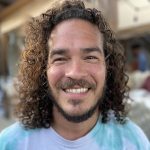
Keolu Fox Ph.D., Kānaka Maoli (Native Hawaiian) is an assistant professor at University of California, San Diego, affiliated with the Department of Anthropology, the Global Health Program, the Halıcıoğlu Data Science Institute, the Climate Action Lab, and the Indigenous Futures Lab. He holds a Ph.D. in Genome Sciences from the University of Washington, Seattle (2016). Dr. Fox’s multi-disciplinary research interests include genome sequencing, genome engineering, computational biology, evolutionary genetics, paleogenetics, and Indigenizing biomedical research. His primary research focuses on questions of functionalizing genomics, testing theories of natural selection by editing genes and determining the functions of mutations. Dr. Fox has published numerous articles on human genetics, biomedicine, ancient genomics, and Indigenous data sovereignty, most recently in the New England Journal of Medicine, Nature, and the Proceedings of the Royal Society B. He is a recipient of grants from numerous organizations including the National Institutes of Health, the National Science Foundation, National Geographic, the American Association for Physical Anthropology, Emerson Collective, the Social Science Research Council and the Massachusetts Institute of Technology, SOLVE Initiative. He will contribute his expertise in establishing the IndigiData Indigenous data science workshops.
Keoni Mahelona
Collaborator
Te Hiku Media
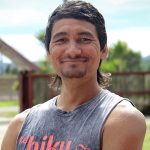
Keoni Mahelona is the Chief Technology Officer at Te Hiku Media and a leading practitioner of Indigenous data sovereignty. Originally from Anahola on the island of Kauaʻi, Hawaiʻi, Keoni has been living and working in Te Hiku o Te Ika for over 10 years having first arrived in Aotearoa as a Fulbright Scholar. As a driving force behind the development of digital innovation projects that seek to secure the future of te reo Māori and other indigenous languages, Keoni makes decisions every day to protect the sovereignty of Māori data, from the digital tools employed to advance projects, the storage of data and sharing data in appropriate and secure ways. Mahelona works at THM building innovative Te Reo Māori speech recognition tools. He will contribute his experience building NLP technology from within a framework of strengthening Indigenous data sovereignty.
Kevin Shedlock
Pod Lead
Victoria University of Wellington
Dr. Kevin Shedlock is a lecturer at the School of Engineering and Computer Science at the Victoria University of Wellington – Te Herenga Waka, and a researcher studying virtual world computing using open-source and proprietary based computer programming languages. Dr. Shedlock’s research is focused on the construction of technology-focused artifacts, such as virtual reality (VR) and related immersive visualizations, using an Indigenous framework. As a result of his research, Māori and Pacific Indigenous groups are beginning to access new methods when constructing real-world IT projects during the framing, engagement, planning, construction, and evaluation phases of the Indigenous-focused technology artifacts. Dr. Shedlock is a member of the New Zealand Institute for IT Professionals (NZIITP) and also involved in virtual world projects for tourism; native plant species and indigenous heritage sites facilitating collaborative research approaches towards virtual world computing. Currently, he is the Pod Lead for Hiringa te Mahara.

Kiera Ladner
Co-investigator
University of Manitoba
Kiera L. Ladner is Canada Research Chair in Miyo we’citowin, Indigenous Governance and Digital Sovereignties and Associate Professor in the Department of Political Studies at the University of Manitoba, and former Canada Research Chair in Indigenous Politics and Governance. Dr. Ladner’s publications include This is an Honour Song: Twenty Years Since the Blockades (ARP Books) co-edited with Leanne Simpson and Surviving Canada: Indigenous Peoples Celebrate 150 Years of Betrayal co-edited with Myra J. Tait.
Kimiora Whaanga
HQ
Massey University
Kimiora Whaanga (Ngāpuhi, Ngāti Kahungunu, Ngāi Tahu, Ngāti Māmoe, and Waitaha) is a Māori graphic designer. She holds a Bachelor of Design with Honours, specialising in Visual Communication Design, and is currently based in Kirikiriroa (Hamilton), Aotearoa New Zealand. She works as a freelance designer while pursuing a Master of Māori Visual Arts at Toiho ki Āpiti, Massey University. Her practice seeks to engage meaningfully with digital media and contemporary technologies, while remaining grounded in the knowledge, whakapapa, and cultural heritage of her iwi and hapū, as well as the wider communities that shape her work.
Krystal Tsosie
Co-investigator
Native BioData Consortium
Krystal Tsosie (Diné/Navajo Nation), PhD, MPH, MA, is an Indigenous geneticist-bioethicist and Assistant Professor in the School of Life Sciences at Arizona State University. An advocate for Indigenous genomic data sovereignty, she co‑founded the first U.S. Indigenous‑led biobank, the Native BioData Consortium, a 501(c)(3) nonprofit research institution and Indigenous‑led biological and data repository on Lakota lands. Her research centers on Indigenous population genetics and bioethics, integrating genomic and data science approaches with community‑engaged models to address health inequities and build trust in genomics and precision medicine. She began her career in laboratory science, where she developed and patented a targeted ultrasound imaging and chemotherapeutic drug delivery device for early cancer metastases, before shifting to genetic epidemiology, public health, and bioethics in response to disparities in emerging genomic technologies. Her training includes an MA in Bioethics focused on the cultural implications of genetics in Native American communities, and an MPH in Genetic Epidemiology from Vanderbilt University, where she studied uterine fibroid disparities in African American women and developed expertise in biostatistics and computational genomics. She has co‑led an ongoing longitudinal, community‑based participatory genetics study within a North Dakota Tribal nation, one of the few of its kind. Her work has received national and international recognition, with coverage by PBS NOVA, The Washington Post, NPR, The New York Times, The Atlantic, Forbes, and The Boston Globe. She serves on the Government Policy and Advocacy Committee of the American Society of Human Genetics, two National Academy of Medicine committees focused on emerging science and data governance, and is a Global Chair in ENRICH (Equity for Indigenous Research and Innovation Coordinating Hub), advancing Indigenous rights to govern data and participate in STEM and digitally enabled futures.
Kūha‘o Zane
Collaborator
Sig Zane Designs
Kūha‘o Zane is the Creative Director of Sig Zane Designs and SZKaiao. Raised within a multigenerational Hula tradition, his cultural grounding shapes and informs his creative practice. For more than two decades, Zane has worked alongside his father, Sig Zane, founder of Sig Zane Designs, contributing to every stage of the business—from early operational work to the launch of two Oʻahu locations, Sig On Smith and Kaiao_Space. Through his studio SZKaiao, he brings a culturally rooted design approach to projects spanning branding, art installations, aircraft liveries, and architectural wayfinding for both local and international clients. In addition to his design work, Zane serves as President of the Edith Kanakaole Foundation, a nonprofit that applies his family’s cultural knowledge to curriculum development, site restoration, consulting, and publishing. Across his roles, he integrates design, culture, and community service into a unified practice.
Leroy Little Bear
Co-investigator, Collaborator, Pod Lead
University of Lethbridge
Leroy Little Bear (Blackfoot) is Professor Emeritus at the University of Lethbridge, founding member of Canada’s first Native American Studies Department, former Director of the Harvard University Native American Program, and recipient of the National Aboriginal Achievement Award for Education. Little Bear is a founding member of Canada’s first Native American Studies Department, at the University of Lethbridge, where he remained as a researcher, faculty member and department chair until his official retirement in 1997. In recent years Little Bear has continued his influential work as an advocate for First Nations education. From January 1998 to June 1999 he served as Director of the Harvard University Native American Program. Upon his return to Canada, he was instrumental in the creation of a Bachelor of Management in First Nations Governance at the University of Lethbridge – the only program of its kind in the country. In the spring of 2003, Little Bear was awarded the prestigious National Aboriginal Achievement Award for Education, the highest honour bestowed by Canada’s First Nations community. He has served as a consultant to local and national organizations including the Blood Tribe, Indian Association of Alberta and the Assembly of First Nations of Canada. His notable reputation has also earned him a place on numerous government commissions and boards including the Task Force on the Criminal Justice and Its Impact on the Indian and Métis Peoples of Alberta (1990-91). Little Bear’s legal advice is widely sought on such significant issues as land claims, treaties, and hunting and fishing rights. Little Bear is the co-author of several books on self-government and Aboriginal rights, including “Pathways to Self Determination”, “Quest For Justice”, and “Governments in Conflict”. His credits also include a variety of influential articles such as, “A concept of Native Title”, which was cited in a Canadian Supreme Court decision. He received an Honourary Doctor of Arts and Science degree from the University of Lethbridge, an Honourary Doctor of Laws degree from the University of Northern British Columbia, was recognized as an Eminent Scholar (Honourary) by the Blood Reserve and received an Urban Aboriginal Lifetime Achievement Award from the Aboriginal Council of Lethbridge. He was also inducted into the Alberta Order of Excellence in 2016. Currently, he co-leads the Niitsitapi Pod with Amethyst First Rider.
Linda Tuhiwai Smith
Co-investigator
Te Whare Wānanga o Awanuiārangi
Dr. Linda Tuhiwai Te Rina Smith (Fellow, Royal Society New Zealand) is Distinguished Professor at Te Whare Wānanga o Awanuiārangi. Her academic career is grounded in her love of teaching and research that makes a transformative difference in Māori, Indigenous, and diverse other communities. She was the founding Co-Director of New Zealand’s Māori Centre of Research Excellence Nga Pae o Te Māramatanga and implemented a national support programme to develop 500 Māori doctoral graduates within 5 years, which has exceeded its target by 200% and seen the first program graduates become leading researchers and directors of various centres of excellence. Previously, she was the Pro-Vice Chancellor Māori, Dean of the School of Māori and Pacific Development and Director of Te Kotahi Research Institute at the University of Waikato. Smith is the author of Decolonizing Methodologies, one of the seminal texts in Indigenous studies, decolonial studies, and research methodology. Smith’s research is trans-disciplinary with a recognized international reputation in Indigenous education, Indigenous health, and decolonizing research methodologies. She has served on several Cabinet-appointed high-level advisory boards and has considerable public sector governance experience. She has held various leadership roles in transdisciplinary projects based in strong community engagements since the late 1980s. She is author of Decolonizing Methodologies, which articulates a framework for Indigenous people to undertake research on their own terms and to the benefit of their communities. Her scholarly work inspired and sustains ongoing efforts to re-centre Māori and Indigenous knowledge practices within the academy and in relationship to community. A member of Hiringa te Mahara, she will contribute to the project’s understanding of how to integrate Indigenous and Western research and research-creation methodologies.
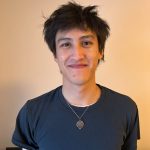
Lucas Prud’homme
HQ
Concordia University
Lucas Prud’homme is an undergraduate student in the Mel Hoppenheim School of Cinema at Concordia University in Tiohtià:ke/Montreal. He was born in Inuvik, Northwest Territories before moving to Jasper, Alberta; Ottawa, Ontario, and finally Tiohtià:ke/Montreal, Quebec. He is the Media Production and Documentation Research Assistant for Abundant Intelligences. He hopes to finish his studies and continue to pursue film and documentation in the future.
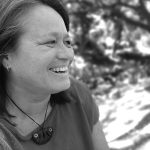
Manulani Aluli Meyer
Co-investigator
University of Hawai’i West Oahu
Manulani Aluli Meyer is the fifth daughter of Emma Aluli and Harry Meyer and grew up on the sands of Mokapu and Kailua Beach on the island of O‘ahu. She comes from the Aluli ‘ohana, a large and diverse family of scholar-activists committed to Hawaiian education, justice, land reclamation, law, health, cultural revitalization, arts education, prison reform, food sovereignty, transformational economics, and music. She works in the field of Indigenous epistemology and its role in global awakening. She earned her doctorate in Philosophy of Education from Harvard University (Ed.D., 1998) and is a sought-after keynote speaker, writer, and international evaluator of Indigenous PhD programs. Her seminal book, Ho‘oulu: Our Time of Becoming, is now in its third printing. Her background also includes wilderness education, coaching, and experiential learning. She has served as an instructor for Outward Bound, a coach for the Special Olympics, and a cheerleader for the Hawaiian Charter School movement. She has held an Associate Professor position in Education at the University of Hawai‘i at Hilo and spent five years in New Zealand as the lead designer and teacher for He Waka Hiringa, an innovative Master’s program in Applied Indigenous Knowledge at Te Wānanga o Aotearoa, the largest Māori university, serving over 30,000 students. Dr. Aluli-Meyer currently serves as the Konohiki for Kūlana o Kapolei, a Hawaiian Place of Learning at the University of Hawai‘i–West O‘ahu. She has made foundational contributions to Indigenous epistemologies, and her expertise in integrating Indigenous and Western knowledge systems will inform the project’s approach to cross-cultural research and learning.
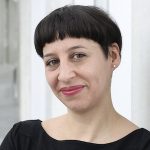
Maroussia Levesque
Collaborator
Harvard University
Maroussia is a doctoral candidate at Harvard Law School, a Senior Fellow at the Center for International Governance Innovation, and a member of the Indigenous Protocol and Artificial Intelligence working group. Building on previous work on AI and human rights at Global Affairs Canada (foreign affairs department), she currently researches AI governance, and co-leads a working group on the matter at Berkman Klein. Her academic and creative work has been featured in NeurIPS, Stem Cell Review and Reports, and ISEA. Maroussia previously worked for Quebec’s public inquiry commission on electronic surveillance and clerked for the Chief Justice at the Quebec Court of Appeal, and volunteered on gender-based violence and criminal matters in Haiti (Lawyers Without Borders) and on digital literacy in Brazil (Alternatives). She holds degrees from Harvard, McGill, and Concordia University.
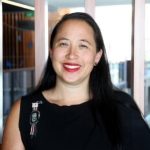
Melanie Cheung
Co-investigator
Cheung Consultancy
Dr. Melanie Cheung (Ngāti Rangitihi, Te Arawa) is a neurobiologist with experience across academia, the health sector, and Indigenous communities in Aotearoa, Canada, and the USA. Her research focuses on understanding how neuroplasticity can be harnessed to develop neurological treatments and enhance performance. Her work is distinguished by its integration of innovative, multidisciplinary science—including brain training, neurodegenerative disease research, MRI, neuropsychology, and biomarkers—with clinical practice in psychiatry, community-based care, and Māori healing. She also incorporates decolonising methodologies, grounding research ethics and practices in Māori concepts and engaging intensively with Māori communities. In recognition of her contributions, Dr Cheung has received the Women of the Year Award in Health and Science and the Huntington’s Disease Society of America Distinguished Leadership Award for exemplary dedication.
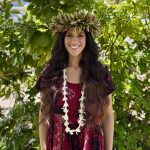
Melemaikalani Moniz
Postdoctoral Researcher
University of Hawaiʻi at Mānoa
Dr. Melemaikalani “Mele” Moniz is a Kanaka ‘Ōiwi legal scholar whose research explores the intersection between western legal systems, environmental justice, and the rights of Indigenous Peoples to propose decolonial changes to laws and policies while working towards liberation. Born and raised under the malu of Ko‘olaupoko on the windward side of O‘ahu, her family lines come from Moku o Keawe, Nā Hono A‘o Pi‘ilani, and Moloka‘i nui a Hina. Dr. Moniz has a BA in English from Marist College, a JD from The Catholic University Columbus School of Law, an LLM in Environmental and Natural Resources Law from the University of Oregon School of Law, and a Doctorate of Juridical Science (SJD) in Indigenous Peoples Law and Policy from the University of Arizona James E. Rogers College of Law.
While in her JD program, Dr. Moniz volunteered for the Honorable Edward H. Kubo, Jr. in the First Circuit Court of Hawai‘i, the New Orleans Public Defenders, and was a law clerk with the Family Law Unit of the Legal Aid Society of Hawai‘i as well as the Hawai‘i Immigrant Justice Center. Dr. Moniz was subsequently granted a First Amendment Fellowship at the Newseum Institute’s First Amendment Center in Washington, D.C., publishing articles on the First Amendment freedom of speech and the religious freedom rights of Indigenous Peoples. After graduating with her JD, Dr. Moniz clerked for the Honorable Joseph E. Cardoza, the former Chief Judge of the Second Circuit Court of Hawai‘i, sitting on a criminal and civil docket with two specialty courts: Veterans’ Court and Environmental Court. She also clerked for the Honorable Kelsey T. Kawano in the Second Circuit Court of Hawai‘i, sitting on a criminal and civil docket with one specialty court: Veterans’ Court. Dr. Moniz then served as a Legislative Aide to the Honorable Senator Laura Clint Acasio, representing Hilo.
While serving as a Legislative Aide, Dr. Moniz became inspired to obtain an LLM in Environmental and Natural Resources Law at the University of Oregon School of Law. As an LLM student, she was then recruited by the Indigenous Peoples Law and Policy program to pursue an SJD at the University of Arizona James E. Rogers College of Law (IPLP program). The IPLP program awarded her the Williams Achievement Award, providing her with a full tuition scholarship, and offered her a Teaching Fellowship under the highly esteemed native legal scholar Professor Robert A. Williams. As his Teaching Fellow, Dr. Moniz taught Torts, Contracts, and Property Law to BA in Law and MLS students. She also served as a delegate to the United Nations Permanent Forum on Indigenous Issues and worked with the UN Special Rapporteur on the Rights of Indigenous Peoples José Francisco Calí Tzay. Dr. Moniz, after her SJD program, was honored with the Dean’s Achievement Award.
Upon returning to Hawai’i after obtaining her SJD, Dr. Moniz worked as a Trustee Aide to the Honorable Trustee Daniel Ahuna, representing Kaua‘i and Ni‘ihau at the Office of Hawaiian Affairs. She is currently a Postdoctoral Researcher at the University of Hawai‘i at Mānoa, working with Abundant Intelligences, an Indigenous-led research program utilizing Artificial Intelligence based on Indigenous Knowledge systems.
Dr. Moniz’s scholarship has appeared in the University of Cambridge’s International Journal of Legal Information, in articles for the Freedom Forum (formerly called the Newseum Institute’s First Amendment Center), and in a conference proceeding. She has given lectures at the University of Cambridge, the University of Oxford, the University of California, Los Angeles School of Law, the University of Arizona James E. Rogers College of Law, the University of Hawai’i at Mānoa, the World Indigenous Peoples Conference on Education in Tāmaki Makaurau, Auckland, and at numerous other conferences worldwide.
Michael Running Wolf
Collaborator
First Languages AI Reality (FLAIR)
Michael Runningwolf (Northern Cheyenne) is a ML engineer specializing in using AI to help revitalize low-resource Indigenous languages. He founded Indigenous in AI, an industry affinity group to support Indigenous people working in the field.
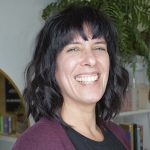
Michelle Lee Brown
Co-investigator
University of Waikato
Dr. Michelle Lee Brown is Euskalduna from Lapurdi (Biarritz/Miarritze Côte des Basques). They are a recovering academic: leaving their role as Assistant Professor of Indigenous Knowledge, Data Sovereignty, and Decolonization at Washington State University for IndigiGenius, an Indigenous-led CS and AI education nonprofit. However, the siren call of research-creation and Indigenous collaboration has proved irresistible: they have just moved to Aotearoa to be closer to human and nonhuman kin and work as a Research Officer for Te Kotahi Research Institute at the University of Waikato.
Migueltzinta Solís
Collaborator
Migueltzinta C. Solís is an interdisciplinary artist, writer, scholar, filmmaker, educator, land tender, and Tarot practitioner. He was raised in California and Mexico by parents involved in the Chicano/a Movement from the 60s to the 90s. He works at a unique intersection of creative art, land-relation practices, radical pedagogies, Indigenous futurities, and divination. He has worked in performance, video, photography, leather, textile, installation, and site-based works. He holds an MFA in Art and a PhD in Cultural, Social and Political Thought from the University of Lethbridge/Iniskim in Treaty 7, traditional Blackfoot territory.

Paul Fournier
HQ
Concordia University
Paul Fournier is the Director of Digital Transformation at Concordia University in Montréal, blending creative and technical expertise. He holds a Bachelor’s in Fine Arts (Honours) and certifications in Change Management (Prosci), Project Management (PMP), User Experience Project Management (UX-PM), and IT Service Delivery (ITIL). With over twenty-three years in university education, Paul initially advanced high-tech infrastructure in arts, academic research, and library services. Currently, he champions organizational change and the integration of digital technologies, including AI, in the workplace. He is the Senior Strategist of Infrastructure at Abundant Intelligences’ HQ.
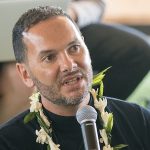
Peter-Lucas Jones
Collaborator
Te Hiku Media
Peter-Lucas Jones (Te Aupōuri, Ngāi Takoto, Ngāti Kahu) is the CEO of Te Hiku Media and an experienced governor in the Māori media ecosystem. He is currently the Chair of Te Whakaruruhau o ngā Reo Irirangi Māori, Deputy Chair of Whakaata Māori and Chairman of Te Rūnanga Nui o Te Aupōuri. As a trusted kaitiaki (guardian) of Māori data, Peter-Lucas negotiates the responsibility of protecting iwi (tribal) and Māori data while meeting the needs of funders and the expectations of iwi and hapū (sub-tribes). Peter-Lucas has terrestrial and digital broadcasting experience working with kaumātua (elders) and marae (sacred Māori meeting place) to record content and provide access to te reo ā-iwi (tribal language variation), tikanga ā-iwi (tribal cultural variation), kōrero tuku iho (oral traditions) and iwi history. He is an award winning Māori language radio broadcaster with a focus on political affairs and topical issues. This experience has seen the development of a Kaitiakitanga License for Te Hiku Media that provides a framework to guide the use of Māori data from a haukāinga (home people of marae) perspective. This data is now used by Te Hiku Media to develop NLP and NLU tools for te reo Māori.
Petera Hudson
Postdoctoral Researcher
Massey University
Dr. Petera Hudson (Whakatōhea) is a Research Fellow at Te Pūtahi a Toi, the School of Māori Knowledge, Massey University. His research investigates how tikanga and mātauranga Māori can guide the development of next-generation AI systems. Dr. Hudson advocates for indigenous approaches to technology that support cultural well-being, strengthen whānau connections, and encourage long-term sustainability. His career has been both varied and influential. Following teacher training and postgraduate studies in New Zealand and the United States, he spent more than a decade in international education, including positions in Denmark and Singapore. Returning to Aotearoa in the mid-1990s, he focused on empowering Māori learners through digital access. In the early 2000s, he co-founded EDUCA TransTech, a mobile computer classroom created with his whānau to help bridge the digital divide for tamariki.
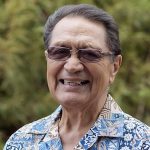
Pou Temara
Co-investigator
Te Whare Wānanga o Awanuiārangi
Pou Temara is Professor of reo and tikanga at the University of Waikato. He is a recognised authority on Māori customary practice and whaikōrero, having taught at Victoria University as a senior lecturer and at Te Whare Wānangao Awanuiārangi as associate professor and as head of the faculty of Mātauranga Māori. He is also one of three directors of Te Panekiretanga o te Reo, the Institute of Excellence in the Māori Language, where he teaches and researches whaikōrero, karanga, and tikanga. He was also a member of the Māori Advisory Committee, which produced essays for the Dictionary of New Zealand Biography and Ngā Tāngata Taumata Rau. Professor Temara is a member of the Tūhoe Waikaremoana Māori Trust Board and is the chairperson of both Te Hui Ahurei a Tūhoe and the Repatriation Advisory Panel to Te Papa and has written many publications and essays on issues currently affecting Māori. His first book, Maungapōhatu, was released in 2008 through Huia Publishers. Professor Temara was appointed to the Waitangi Tribunal in 2008.
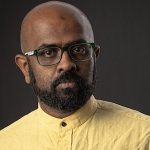
Prem Sooriyakumar
HQ
Concordia University
Prem Sooriyakumar, an Eelam Tamil from Sri Lanka, is a documentary filmmaker and Knowledge Broker at Concordia University. His journey as a refugee to Canada has shaped his dedication to inclusive storytelling and accessible academic knowledge. Over the past decade, as part of his role at Concordia, has been supporting documentation and knowledge mobilization at ABTeC. Prem recently completed the long-form documentary “Past Future Forward: The Making of a Hawaiian Videogame,” for the Initiative of Indigenous Futures. He currently works as the Senior Strategist of Knowledge Mobilization for Abundant Intelligences’ HQ.
Rangi Matamua
Collaborator
Massey University
Professor Rangi Mātāmua (Ngāi Tūhoe) is a leading Māori scholar whose work has transformed the understanding of Māori astronomy, particularly the significance of Matariki. His research has made a profound contribution to mātauranga Māori and has helped educate both national and international audiences about Māori astronomical knowledge. Mātāmua is also part of a broader movement to reclaim Indigenous astronomy as a key element of the continued process of decolonisation. He has received numerous honours for his work in science communication, including the 2019 Prime Minister’s Science Communication Prize, the first Māori scientist to receive this award, the 2020 Callaghan Medal from Royal Society Te Apārangi, and in 2021 he was elected as a Fellow of the Academy of the Royal Society Te Apārangi. In the 2023 New Year Honours, Mātāmua was appointed an Officer of the New Zealand Order of Merit for services to Māori.
Renee Waiwiri
HQ
Designs by Renee
Renee Waiwiri (Ngāti Tara, Ngāti Naho, Ngāti Hineuru) is a Māori designer and researcher based in Taranaki, Aotearoa. She earned a Bachelor of Design Innovation, specialising in Industrial Design, from Te Herenga Waka – Victoria University of Wellington, and a Master of User Experience Design from the Wellington ICT Graduate School and Te Herenga Waka. She currently works as a freelance designer in Taranaki. Her design and research practice is informed by Māori ways of knowing and being, interpreting the world through whakapapa, whanaungatanga, pūrākau, and connection to whenua. Working within this framework has deepened her commitment to decolonising design by foregrounding relationality, reciprocity, and collective agency. She is strongly motivated by her whānau, iwi, hāpū, hāpori, and whenua to contribute to design and research that honours the knowledge of her tīpuna (ancestors) and creates opportunities that support the aspirations of rangatahi (young people). This guiding commitment shapes all aspects of her practice.
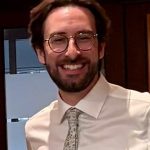
Robert Marinov
HQ
Concordia University
Robert Marinov is a PhD candidate in Communication Studies at Concordia University. His SSHRC-funded doctoral research focuses on the emergence of “digital twinning” in Canada and its links with artificial intelligence, investigating their implications for environmental sustainability, governmentality, and democratic politics. His work has been published in journals including the Canadian Journal of Political Science, the Canadian Journal of Communication, Communication Review, Politics & Policy, Futures, Imaginaries: Journal of Cross-Cultural Image Studies, and others. Robert is a Research Assistant with Abundant Intelligences.

Sabrina Smith
HQ
Concordia University
Sabrina Smith (she/her) is the Data & Storytelling Lead for Abundant Intelligences’ HQ. She is originally from Bdeóta Othúŋwe/Gakaabikaang/Minneapolis, Minnesota and is a settler of Scottish-Gaelic and Irish descent. Sabrina has a BA in Art History from Mount Holyoke College (2017) and an MA in Art History from Concordia University (2023). Her graduate thesis under Dr. John Povtin critically examined the exhibition, Le monde en tête (Lyon, 2019 and Montreal, 2022), and the Musée des Confluences’ curatorial politics and representation of Indigenous art history. Smith’s other works include a group exhibition, Confronting the Anthropocene: Theory, Activism, Art, exploring posthuman feminist phenomenology and the biotic and abiotic elements of ourselves. Sabrina brings her interest in phenomenology including AI phenomenology and the phenomenology of senses as bodily and cultural phenomena to the team.
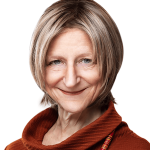
Sara Diamond
Co-director, Co-investigator, Pod Lead
OCAD University
Dr. Sara Diamond, President Emerita of OCAD University, has led institutional transformation in the arts, digital media/ICT, and post-secondary education for over 30 years. She served as President and Vice-Chancellor of OCAD University from 2005 to 2020, guiding its transition to full university status, and was the founding Director of the Banff New Media Institute from 1995 to 2005. Trained as a historian, media artist, and computer scientist, Diamond brings a deep interest in the relationships between human practices, culture, and technology, alongside a strong commitment to equity and Indigenous rights. She has served as co-principal investigator on major research initiatives, including Am-I-Able (wearable technologies and IoT) and the Centre for Information Visualization and Data-Driven Design. Her funded research—supported by NSERC, SSHRC, the Ontario Research Excellence Fund, Mitacs, and private foundations—spans data analytics and visualization, urban and transportation planning, public art, cultural analytics, and wearable technologies to support seniors’ wellbeing. Current projects include co-PI leadership on iCity2.0 (ORF-E); the application of AI and generative design tools for community planning (ORF-E, Mitacs); development of machine-learning frameworks for qualitative media analysis (Mitacs); mobile affective computing systems to support workplace mental health (Mitacs); archival reassessment through visualization and metadata analysis (SSHRC); and ongoing research into human, animal, and machine agency. True to her early training as a social historian, she continues to write on the history of media arts and technologies. Her recognitions include appointment to the Order of Canada and the Order of Ontario, an honorary Doctor of Science from Simon Fraser University (2020), the 2020 Exceptional Women of Excellence award from the Women’s Economic Forum, and two New Media Pioneer awards. She is a Senior Fellow at the University of Toronto’s Massey College and an Adjunct Professor at University College Dublin and UCLA, and served as a reviewer for the 2021 mid-term CFREF assessments and the NFREF competition. Diamond is Co-Chair of Toronto’s ArtworxTO (the Year of Public Art) and Nuit Blanche, Chair of the Toronto Arts Foundation and the Baycrest Academy for Research and Education, an Expert Panelist with the Canadian Centre for the Purpose of the Corporation, and a Thought Leader with Lord Cultural Resources. She has led collaborative efforts to advance equity, diversity, Indigenous cultures, research, and decolonization, and will contribute expertise in data visualization and wearable technology, research-creation methodologies, and integration of Indigenous research methodologies into academic contexts.

Scott Benesiinaabandan
Co-investigator, Postdoctoral Researcher
University of Winnipeg
Scott Benesiinaabandan is an Anishinaabe (Obishkkokaang) intermedia artist working in experimental image making and sonic materials. He completed his MFA in Photography at Concordia University and currently resides in Winnipeg, Manitoba. His research interests focus on the intersections of artificial intelligence(s) and Anishinaabemowin. Benesiinaabandan has participated in international residencies at Parramatta Artist Studios in Australia, Context Gallery in Derry, North of Ireland, and the University of Lethbridge/Royal Institute of Technology iAIR residency, as well as international collaborative projects in the United Kingdom and Ireland. He has also completed residencies with the Initiative for Indigenous Futures and AbTec in Montreal. His work has been supported by grants from the Canada Council for the Arts, Manitoba Arts Council, Winnipeg Arts Council, and the Conseil des arts et des lettres du Québec, and is held in a number of private, provincial, and national collections. Benesiinaabandan has taken part in notable exhibitions across Canada and internationally, including Flatter the Land/Bigger the Ruckus at Harbourfront, Subconscious City at the Winnipeg Art Gallery, GHOSTDANCE at the Ryerson Image Centre, and solo exhibitions such as unSacred at Gallery 1C03; mii omaa ayaad / Oshiki Inendemowin in Sydney, Australia; Blood Memories in Melbourne; little resistances at Platform Gallery; and Insurgence/Resurgence (2017). Most recently, he completed a public commission for the CONTACT Photography Festival in Toronto.
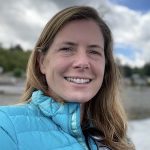
Susan E. Crow
Co-investigator
University of Florida
Susan E. Crow is the Chair and Professor in the Department of Soil, Water, and Ecosystem Sciences at the University of Florida specializing in soil carbon dynamics, climate-smart agriculture, and sustainable land management. Previously, she was an Associate Professor of Soil Ecology and Biogeochemistry at the University of Hawaiʻi at Mānoa (NREM department). At UH Mānoa, her research group measured field-based parameters of soil organic carbon and greenhouse gas flux and partners with agronomists, engineers, economists, and stakeholders to collaborate on systems-level assessment of viability for bioenergy and biofuel production in Hawai’i. She contributes expertise in developing methodologies for combining Western and Hawaiian ancestral agricultural practices.

Suzanne Kite
Co-director, Co-investigator, Pod Lead
Bard College
Kite (Dr. Suzanne Kite) is an Oglála Lakȟóta performance artist, visual artist, and composer raised in Southern California, with a BFA from CalArts in music composition,and an MFA from Bard College’s Milton Avery Graduate School, and a Ph.D. in Fine Arts from Concordia University, Montreal. Kite’s scholarship and practice investigate contemporary Lakȟóta ontologies through research-creation, computational media, and performance, often working in collaboration with family and community members. Recently, Kite has been developing body interfaces for machine learning driven performance and sculptures generated by dreams, and experimental sound and video work. Kite has published in The Journal of Design and Science (MIT Press), with the award winning article, “Making Kin with Machines,” co-authored with Jason Lewis, Noelani Arista, and Archer Pechawis. Kite is currently a 2023 Creative Capital Award Winner, 2023 USA Fellow, and a 2022-2023 Creative Time Open Call artist with Alisha B. Wormsley. Kite is currently a distinguished Artist in Residence and Assistant Professor of American and Indigenous Studies, Bard College and director of the Wihanble S’a Center for Indigenous AI at Bard College.
Tarcisio Cataldi
HQ
Concordia University
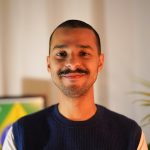
Tarcisio Cataldi is a Black Brazilian designer and artist based in Tio’tia:ke/Montreal. He holds a Bachelor’s Degree in Graphic Design and is a second-year MDes student at Concordia University. Being committed to Black-driven narratives with the lens of Afrofuturism, his research practice is concerned with the design and construction of flags, in particular, their symbolic meanings and values, and their materiality and relation to humans and culture. He currently works as a studio designer for Obx Laboratory for Experimental New Media, Aboriginal Territories in Cyberspace and Abundant Intelligences Research Program at the Indigenous Futures Research Centre.
Yoshua Bengio
Co-investigator
Université de Montréal
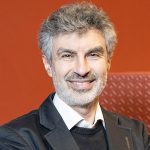
Recognized worldwide as one of the leading experts in artificial intelligence, Yoshua Bengio is most known for his pioneering work in deep learning, earning him the 2018 A.M. Turing Award, “the Nobel Prize of Computing,” with Geoffrey Hinton and Yann LeCun. He is a full professor at Université de Montréal, and the founder and scientific advisor of Mila – Quebec AI Institute. He is also a senior fellow at CIFAR and co-directs its Learning in Machines & Brains program, serves as special advisor and founding scientific director of IVADO, and holds a Canada CIFAR AI Chair. In 2018, he collected the largest number of new citations in the world for a computer scientist and in 2019 was awarded the prestigious Killam Prize. Since 2022 he has the largest h-index impact factor in computer science, worldwide. He is a Fellow of both the Royal Society of London and Canada and Officer of the Order of Canada. Concerned about the social impact of AI and the objective that AI benefits all, he actively contributed to the Montreal Declaration for the Responsible Development of Artificial Intelligence. He will contribute foundational expertise in Deep Learning (DL).