
Research and Impact

Abundant Intelligences is an Indigenous-led research program that conceptualizes, designs, develops, and deploys Artificial Intelligence based on Indigenous Knowledge systems. Our approach is grounded in Indigenous epistemologies containing robust conceptual frameworks for understanding how technology can be created in ways that integrate it into existing lifeways, support the flourishing of future generations, and optimize for abundance rather than scarcity. Our goal is to develop methods for improving AI to better serve Indigenous communities through collaborating with them to explore culturally-grounded AI systems. We believe this will improve AI for all.

Discover more about the...

Program

Extent

48
Co-investigators and collaborators

13

Universities and research institutes

8

Community-based organizations

158

Students

Our Extent

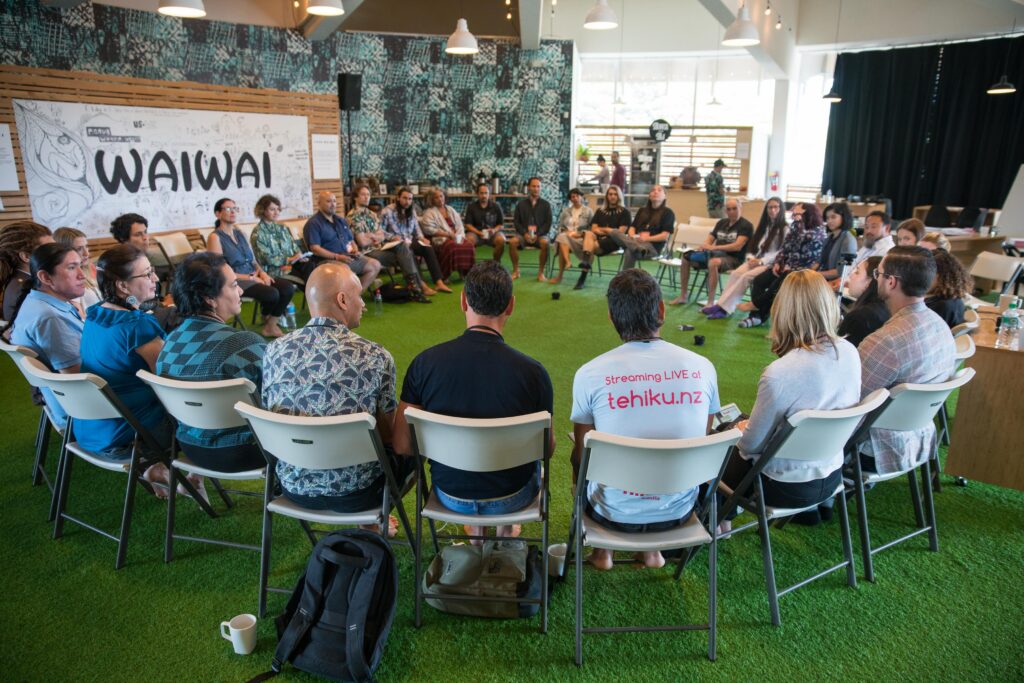
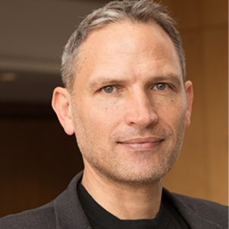
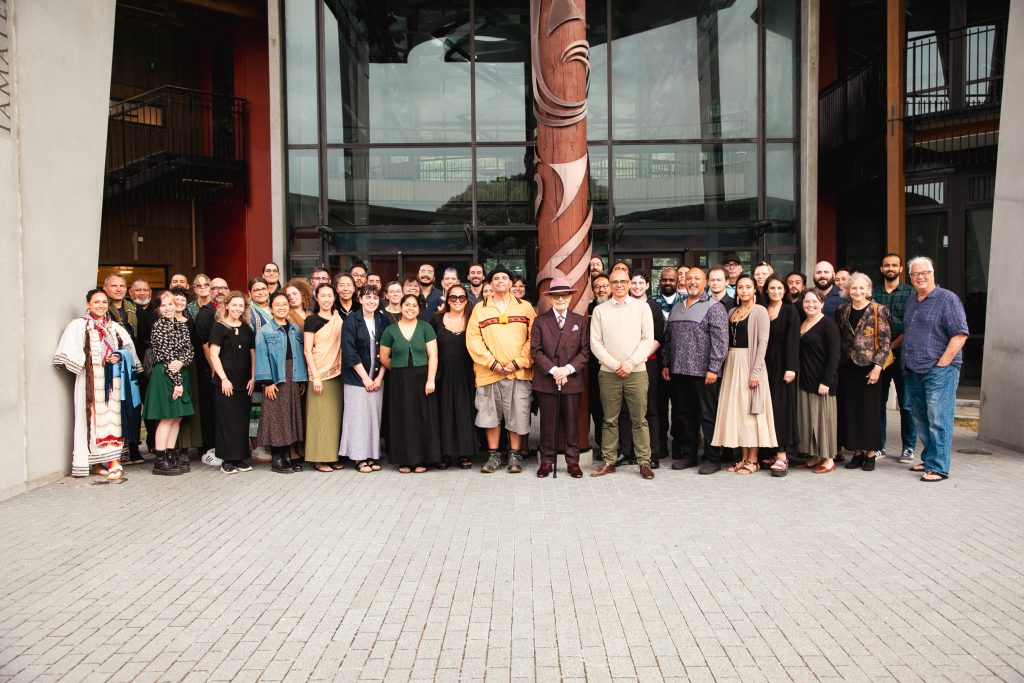
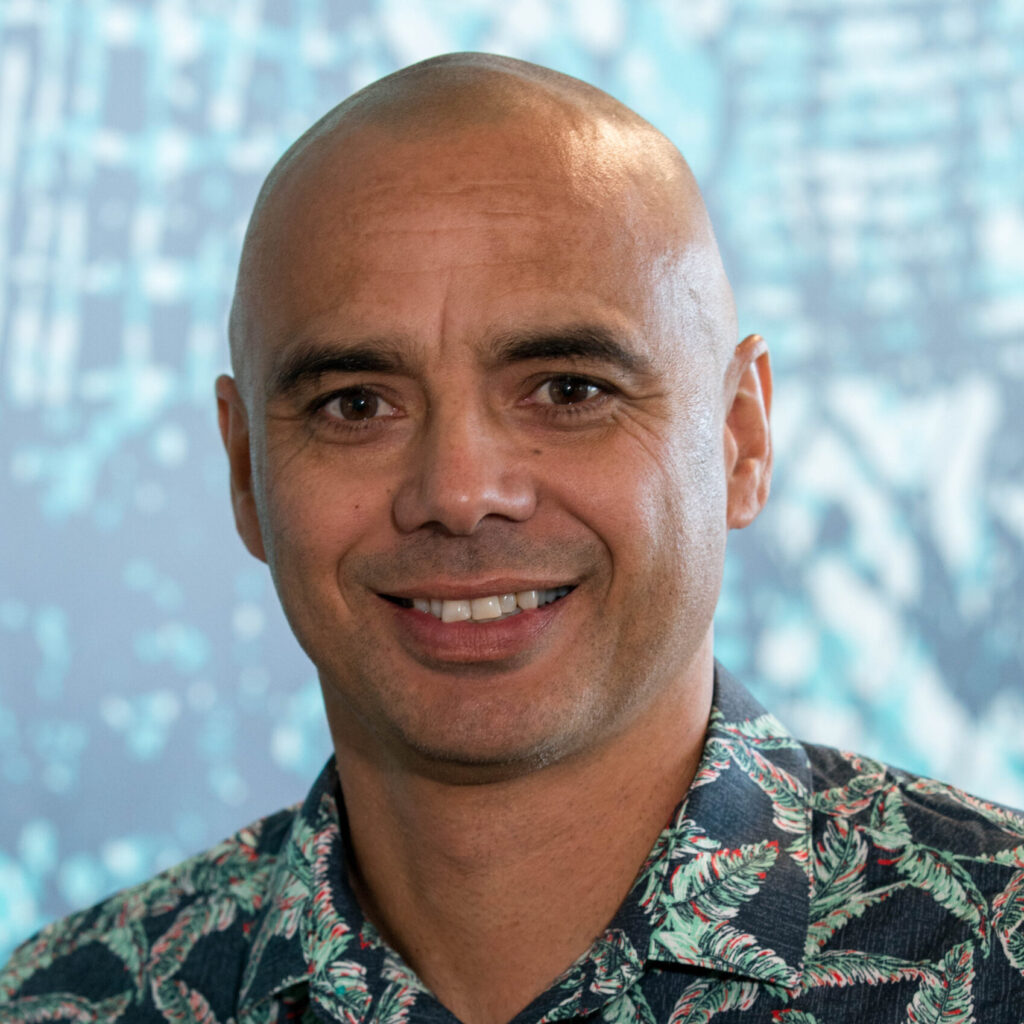
Abundant Intelligences is a six-year research program exploring how to integrate Indigenous Knowledges and Artificial Intelligence systems. It is conducted by an international research team, co-directed by Prof. Lewis at the Indigenous Futures Research Centre at Concordia University, Montreal, and Prof. Hemi  Whaanga at Massey University in New Zealand. The research team currently consists of 48 co-investigators and collaborators at 13 universities/research institutes and 8 community-based organizations in Canada, the United States, and New Zealand.


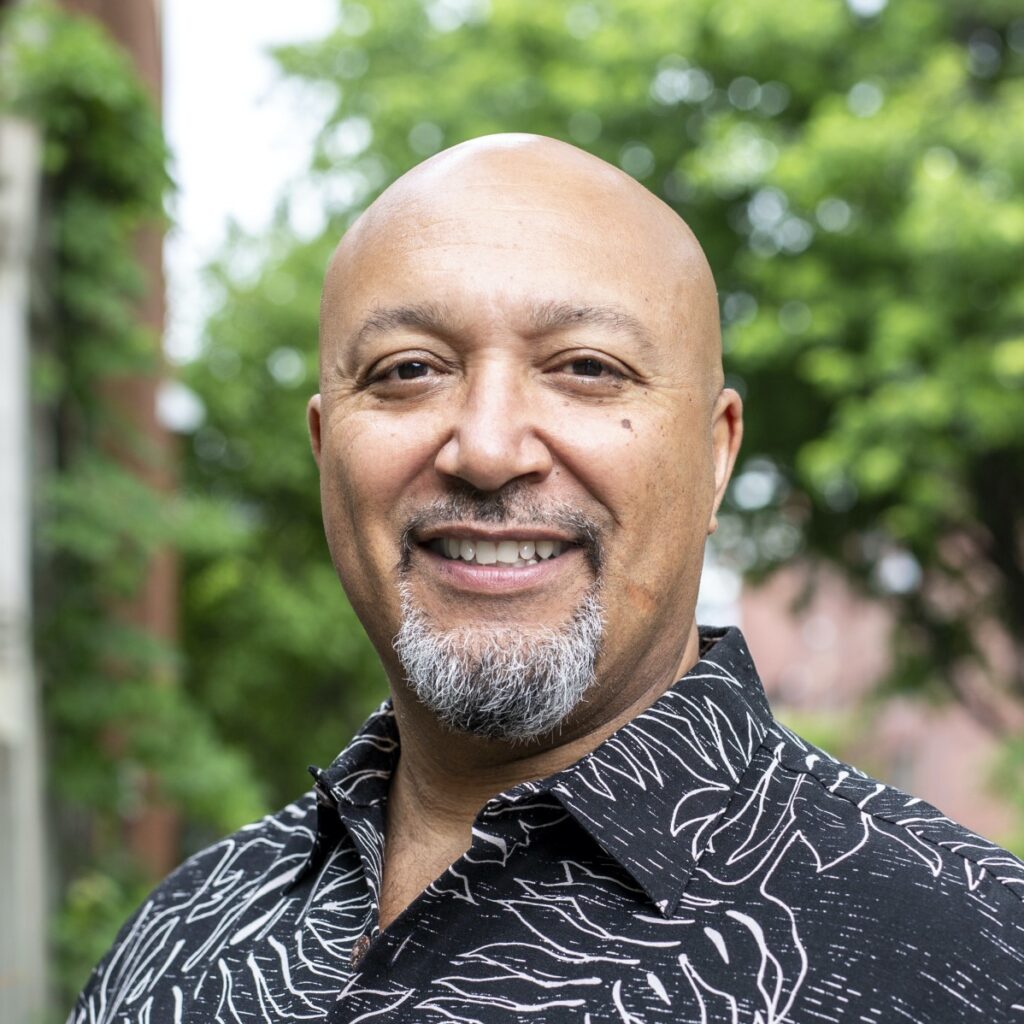
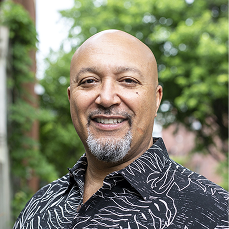
Co-director

Prof.

Jason Edward Lewis

Indigenous Futures Research Centre at Concordia University

Kanaka Maoli, Samoan

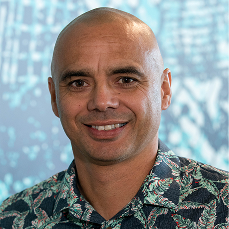
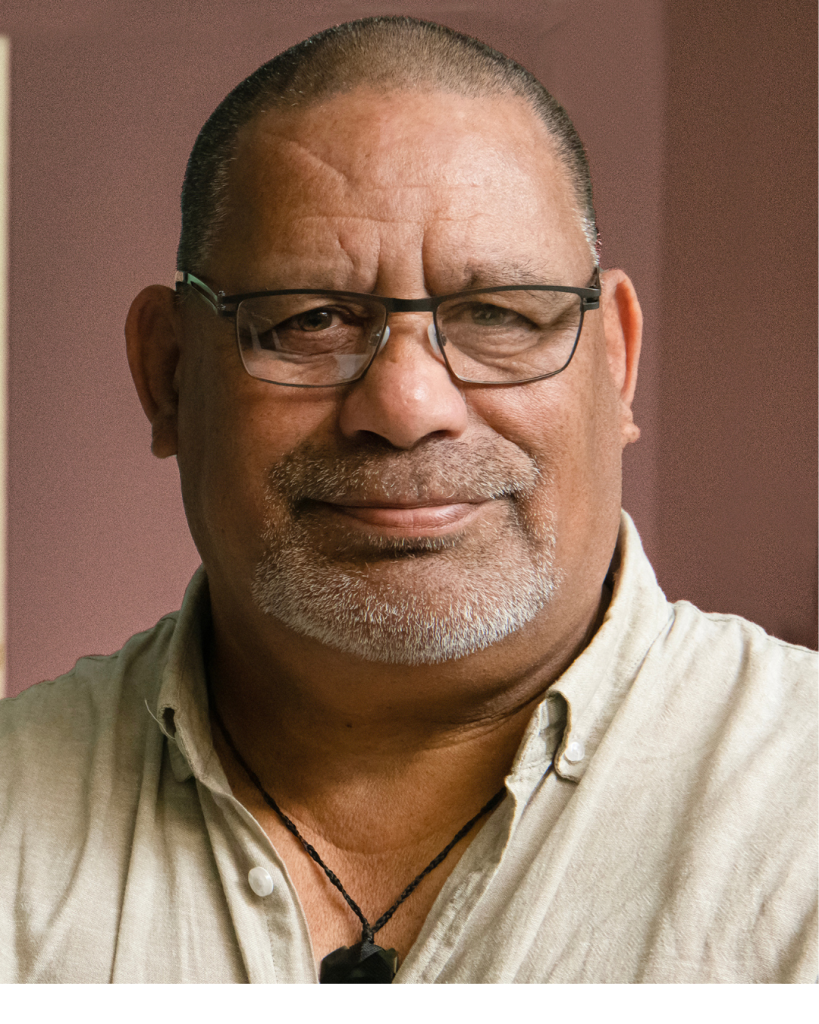
Co-director

Dr.

Hēmi Whaanga

Te Putahi-a-Toi at Massey University

Māori, Ngāi Tahu, Ngāti Kahungunu, Ngāti Mamoe, Waitaha
13

Universities & Research Institutes

 The Abundant Intelligences program draws upon research supported by the Government of Canada’s New Frontiers in Research Fund (NFRF) and the Social Sciences and Humanities Research Council, the MacArthur Foundation, the 11th Hour Project (The Schmidt Family Foundation), and the Canada Foundation for Innovation.

8

Community-based organizations

Te Hiku Media; Thru the Red Door; Native BioData; Purple Mai’a; Indigenous Design and Innovation Aotearoa; SZKaiao Creative Studio; Te Whare Wānanga O Awanuiārangi.

Research Pods

Learn more +

See all locations

Haudenosaunee Pod

Onkwehonwe Research Environment

Western University

Hiringa Te Mahara

Āpōpō Indigenous CreativeTech Hub

IDIA

Ka Hawai’i Pae ‘Āina Pod

Create(x) Lab

Ka Hawai’i Pae ‘Āina Pod

Niitsitapi Pod

Centre for Indigenous Arts Research and Techonology

University of Lethbridge

Wíhaŋble S’a Pod

Wíhaŋble S’a Lab

Bard College

Our research questions are

(1)

How can we develop new computational practices within Indigenous contexts to support the flourishing of Indigenous communities?

(2)

How can we integrate and adapt existing advanced computational methods into Indigenous Knowledge systems?

(3)

How can we use the knowledge we generate to help guide the development of AI generally towards a more humane future?

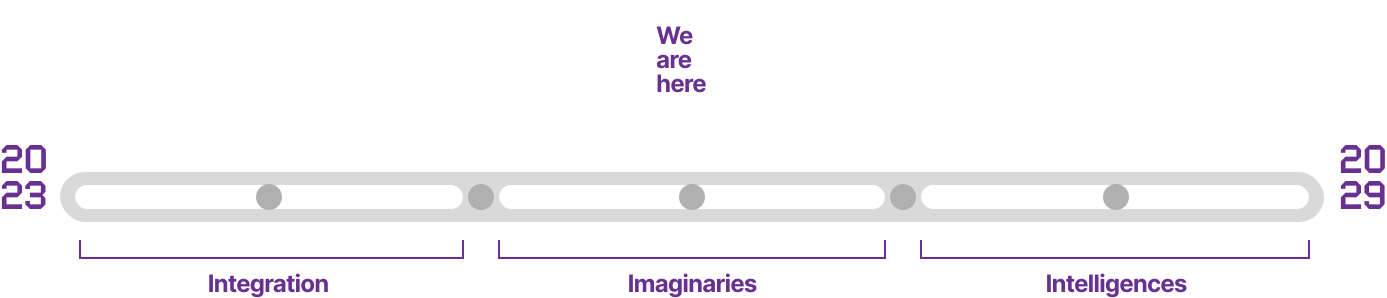
Program Timeline

The current funding supports a six year program of research and research-creation, starting March 1, 2023 and running until February 28, 2029.

We operate along three axes

We are interested in

expanding the range of linguistic structures and language densities that Natural Language Processing (NLP) systems can robustly and appropriately handle.

Drawing on Indigenous storytelling and oral traditions to assist in developing more robust, contextualized machine understandings of the stories humans tell to articulate and disseminate knowledge.

Exploring how traditional Indigenous land management and stewardship practices can inform AI-driven land management and restoration systems.

Using the diversity and heterogeneity of IK systems to help develop better models for understanding how humans draw on their socio-cultural context to learn and make decisions, and how situated socio-cultural intelligences can be modeled into AI systems.

Developing more robust approaches to how diverse agents might interact with each other given socio-cultural context, including modeling of both human and non-human actors.

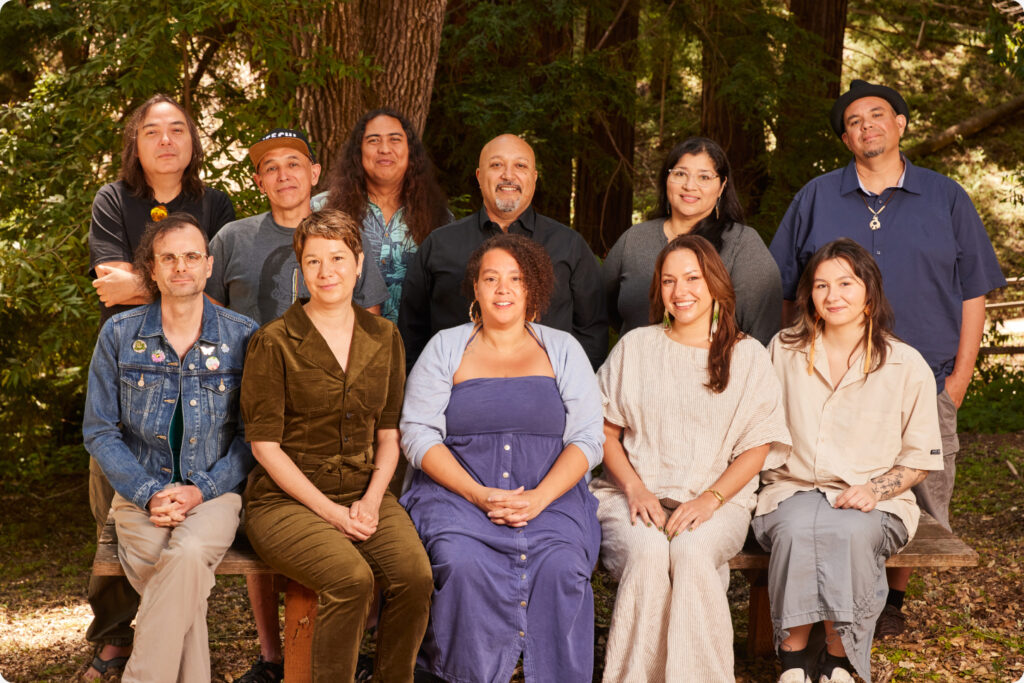
Leadership Group

Co-director

Jason Edward Lewis

Indigenous Futures Research Centre at Concordia University
Kānaka Maoli, Samoan
Co-director

Hēmi Whaanga

Massey University
Māori, Ngāi Tahu, Ngāti Kahungunu, Ngāti Mamoe, Waitaha

Co-director

Jackson Leween Two Bears

Western University
Kanien'kehaka (Mohawk)
Co-director

Suzanne Kite

Bard College
Oglála Lakȟóta
Co-director

Sara Diamond

OCAD University
Co-director

Karim Jerbi

Mila Quebec AI Institute, Université de Montréal

Our Funders

The Abundant Intelligences program draws upon research supported by the Government of Canada’s New Frontiers in Research Fund (NFRF), the Social Sciences and Humanities Research Council, the MacArthur Foundation, the 11th Hour Project (The Schmidt Family Foundation) and the Canada Foundation for Innovation.

Our Funders

The Abundant Intelligences program draws upon research supported by the Government of Canada’s New Frontiers in Research Fund (NFRF), the Social Sciences and Humanities Research Council, the MacArthur Foundation, the 11th Hour Project (The Schmidt Family Foundation) and the Canada Foundation for Innovation.

Supporters

Our research questions are

(1)

how can we develop new computational practices within Indigenous contexts to support the flourishing of Indigenous communities?

(2)

how can we integrate and adapt existing advanced computational methods into Indigenous Knowledge systems?

(3)

how can we use the knowledge we generate to help guide the development of AI generally towards a more humane future?

We want to achieve

01

novel interdisciplinary intercultural research methodologies

02

Indigenous-grounded imaginaries of the future of AI systems

03

Indigenous-centered AI design guidelines

04

AI systems designed and prototyped using those guidelines

05

a network of respectful and reciprocal co-creation relationships between Indigenous communities, scholars and AI researchers

06

a significant increase in the number of Indigenous people trained to engage with AI technologies from within their own cultural contexts

07

increased capacity within Indigenous communities to design and build such systems

08

AI-related scientific and engineering innovation beyond Indigenous contexts

01

novel interdisciplinary intercultural research methodologies

02

Indigenous-grounded imaginaries of the future of AI systems

03

Indigenous-centered AI design guidelines

04

AI systems designed and prototyped using those guidelines

05

a network of respectful and reciprocal co-creation relationships between Indigenous communities, scholars and AI researchers

06

a significant increase in the number of Indigenous people trained to engage with AI technologies from within their own cultural contexts

07

increased capacity within Indigenous communities to design and build such systems

08

AI-related scientific and engineering innovation beyond Indigenous contexts

We will do this by

collaborating with Indigenous communities to imagine AI systems designed from Indigenous epistemologies and with Indigenous protocols

partnering with creators of AI systems to devise new approaches to designing them

developing capacity within and across Indigenous communities for engaging conceptually and concretely with AI

We are interested in

expanding the range of linguistic structures and language densities that Natural Language Processing (NLP) systems can robustly and appropriately handle.

Drawing on Indigenous storytelling and oral traditions to assist in developing more robust, contextualized machine understandings of the stories humans tell to articulate and disseminate knowledge.

Exploring how traditional Indigenous land management and stewardship practices can inform AI-driven land management and restoration systems.

Using the diversity and heterogeneity of IK systems to help develop better models for understanding how humans draw on their socio-cultural context to learn and make decisions, and how situated socio-cultural intelligences can be modeled into AI systems.

Developing more robust approaches to how diverse agents might interact with each other given socio-cultural context, including modeling of both human and non-human actors.

Our goals include

01   METHODOLOGIES 

Honour Indigenous knowledge systems to develop collaborative, interdisciplinary methodologies that impact science, technology, and creative fields.

02  NETWORKS

Build and strengthen an international network of researchers and community organizations who can engage critically with conversations about AI.

03 STUDENTS/LEARNERS

Build and strengthen an international network of students and learners who engage critically with AI, develop technical capacity to work in AI-related fields, and contribute to the future of AI.

04  DATA

Develop, implement, and disseminate experimental frameworks that address data sovereignty, data colonialism, and Indigenous cultural property and align with OCAP Principles.

05  AI SYSTEMS

Develop AI models, tools, and applications that use Indigenous-centred AI guidelines.

06 AI INFRASTRUCTURE

Collaborate with communities and community organizations to build AI infrastructure that aligns with community needs and respects sovereignty, as defined by communities.

07   POLICY

Contribute to and shape AI and data policy conversations nationally and internationally.

08  KNOWLEDGE MOBILIZATION

Strategically disseminate research findings across audiences and sectors and through diverse media platforms.

01   METHODOLOGIES 

Honour Indigenous knowledge systems to develop collaborative, interdisciplinary methodologies that impact science, technology, and creative fields.

02  NETWORKS

Build and strengthen an international network of researchers and community organizations who can engage critically with conversations about AI.

03 STUDENTS/LEARNERS

Build and strengthen an international network of students and learners who engage critically with AI, develop technical capacity to work in AI-related fields, and contribute to the future of AI.

04  DATA

Develop, implement, and disseminate experimental frameworks that address data sovereignty, data colonialism, and Indigenous cultural property and align with OCAP Principles.

05  AI SYSTEMS

Develop AI models, tools, and applications that use Indigenous-centred AI guidelines.

06 AI INFRASTRUCTURE

Collaborate with communities and community organizations to build AI infrastructure that aligns with community needs and respects sovereignty, as defined by communities.

07   POLICY

Contribute to and shape AI and data policy conversations nationally and internationally.

08  KNOWLEDGE MOBILIZATION

Strategically disseminate research findings across audiences and sectors and through diverse media platforms.

Discover more